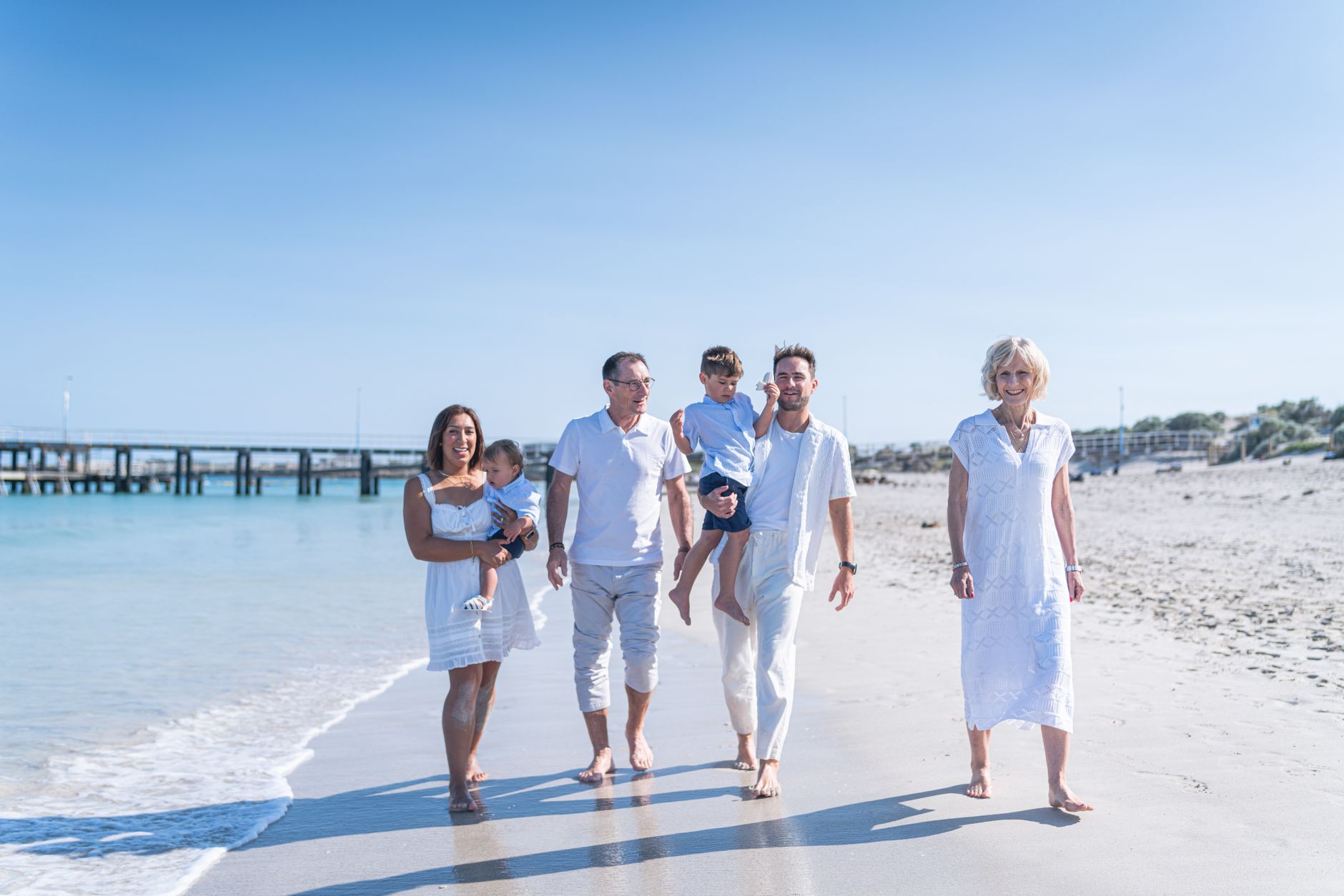
It’s mid-afternoon in September. The pool is half empty, the bartender knows your name by day two, and the room you paid far less for than in winter looks out over flat turquoise water. Then a thick gray wall rolls in, dumps rain for twenty minutes, and moves on. That’s Caribbean hurricane season on most days: quiet, hot, cheap and a little unpredictable.
The deals are real. So is the risk. The trick is knowing which weeks, which islands and which booking rules turn a bargain into a smart bet instead of a gamble.
Here’s how to decide, month by month and island by island. If you’re still weighing up sunny escapes, our worldwide trip-planning guides are a good next stop.
At a glance
- Official season: June 1 to November 30
- Peak risk: mid-August to mid-October
- Lowest-risk islands: Aruba, Bonaire, Curaçao, plus Trinidad and Tobago
- Prices: often well below winter rates, deepest in September
- Non-negotiable: buy travel insurance the day you book
When Caribbean hurricane season actually bites
The official Atlantic season runs from June 1 to November 30, but it’s not six equal months. According to the long-term hurricane climatology from NOAA, activity peaks around September 10, and most storms form between mid-August and mid-October.
That eight-week stretch holds the large majority of tropical storm days and almost all of the major hurricane days. There’s also a smaller second bump around mid-October that mostly affects the Caribbean Sea and the Gulf.
An average season brings around 14 named storms, seven hurricanes and three major ones. Sounds scary. Then you remember that’s spread across the whole Atlantic, and most of those storms never go near your beach chair.
Month by month, roughly
- June and early July: low risk, green hills, the first price drops. A good bet.
- Late July to mid-August: risk building, heat and humidity high.
- Late August to mid-October: the peak. Biggest discounts, biggest gamble in the north.
- Late October and November: storms fade fast, prices stay soft before the winter rush.
Why the deals are so cheap (it’s not only the storms)
Hotels don’t cut prices out of kindness. Late summer is quiet because schools are back in North America and Europe, and the winter-escape crowd is still at home. Storms make the headlines, but the everyday trade-offs of Caribbean hurricane season are smaller and far more certain:
- Heat and humidity. Sticky afternoons and sea water as warm as a bath.
- Short, heavy showers. Usually an hour or less, then the sun’s back and the pavement steams. Do your beach time in the morning.
- Some places close. On quieter islands, a few small hotels, restaurants and boat operators shut for a few weeks to renovate or rest.
- Thinner flight schedules. Airlines trim routes in the slow months, so connections can get awkward.
The upside is just as real: empty sand, no dawn race for a sunbed, easy dinner tables and staff with time to tell you where they actually eat. If a coin-flip forecast would ruin your sleep, save the Caribbean for another time and look at which Canary Island gives the most reliable winter sun instead.
Where Caribbean hurricane season deals make the most sense
Geography does most of the work. Storms tend to form off Africa, cross the Atlantic heading west and then curve north, so the northern and eastern Caribbean take most of the hits: think Puerto Rico, the Bahamas, the Virgin Islands, Jamaica and the Dominican Republic.
Lowest risk: the ABC islands
Aruba, Bonaire and Curaçao sit just off the coast of Venezuela, south of the main hurricane belt. Direct hits are rare, and when a storm does come close it’s usually a passing brush rather than a landfall. Aruba is the easy resort island, Bonaire is all about diving, and Curaçao wins on food and the candy-colored waterfront of Willemstad.
They’re dry islands, too. Cactus, trade winds and a steady breeze that takes the edge off the heat, so a late-summer trip here feels far less soggy than the lush islands up north.
Also low risk: Trinidad and Tobago
Even further south, these two rarely see a direct hurricane, though heavy tropical downpours are common in the wet months. Tobago’s quiet bays and reef snorkeling make it a strong off-season pick.
Edge of the belt: Barbados and Grenada
Lower risk than the north, higher than the ABCs. A fair bet in June or November, more of a gamble in September.
“Outside the belt” never means zero risk. It means the odds lean clearly your way, which is exactly what you want when you’re booking cheap.

The fine print that makes a cheap deal actually cheap
This is where most people lose money. Not in the storm itself, but in the booking rules.
Buy travel insurance the day you book
Insurers treat a storm as a foreseeable event the moment it gets a name. Buy a policy after that and anything linked to that storm is excluded, even if it’s still days from land. Buy early and every storm still ahead of you is fair game for a claim.
Standard cover usually pays only when something concrete happens: your airline cancels, your destination is under an official hurricane warning shortly before you leave, your hotel becomes uninhabitable, or there’s an evacuation order. Cancelling because the forecast looks grim isn’t covered unless you add Cancel For Any Reason, which usually has to be bought within a couple of weeks of your first payment. Always read the policy wording for the exact rules.
Pick flexible over rock-bottom
In peak weeks, a slightly pricier rate with free cancellation often beats a non-refundable steal. Book flights you can change and pay with a card that gives you some protection. Rental homes often have stricter cancellation terms than hotels, which matters here; we break down what Airbnb and hotels really cost after fees.
Ask about hurricane guarantees
Some resorts and all-inclusive chains offer a hurricane policy: a free rebooking or credit if a storm disrupts your stay. Terms vary a lot, so get them in writing before you pay.
How to book a hurricane season trip without regrets
- Pick your weeks first: June or mid-November for lower risk, September only if you’re heading south.
- Pick your island second: the further south, the calmer the odds.
- Book refundable where you can and note every cancellation deadline.
- Insure the trip the same day as your first payment.
- Avoid tight connections through storm-prone hubs and leave a spare evening at the end.
- Keep your return flexible so a delayed flight home doesn’t cost you a work meeting.
Traveling with parents, kids and grandparents? One flexible booking for the group is far easier to move than six separate ones, a point we make in our tips for planning a family trip across three generations.
If a storm heads your way while you’re there
Modern forecasting gives you days of warning, not minutes. Here’s the calm-traveler playbook:
- Track it officially. The National Hurricane Center posts advisories and forecast cones for every named storm.
- Talk to your hotel early. Resorts in the belt have storm plans and will tell you whether to stay put or head out.
- Call the airline before everyone else does. Airlines often waive change fees when a storm threatens, and the first people to rebook get the seats.
- Follow local authorities on evacuation orders. No exceptions.
- Keep a grab bag: passport, charger, cash, medication and insurance papers in one place.
Questions travelers ask
Is it safe to travel to the Caribbean during hurricane season?
For most trips, yes. Most days are hot and sunny, storms arrive with days of warning, and many islands go entire seasons without a direct hit. The risk climbs from mid-August to mid-October, especially in the northern Caribbean, so choose your timing and island carefully and insure the trip.
What’s the best month for a Caribbean hurricane season deal?
June and November give the best mix of lower prices and lower risk. September has the steepest discounts but sits right on the peak, so save it for the southern islands.
Which Caribbean islands are outside the hurricane belt?
Aruba, Bonaire and Curaçao have the lowest historic risk, with Trinidad and Tobago close behind. Barbados and Grenada sit on the southern edge of the belt: lower risk than the north, but not as low as the ABCs.
Does travel insurance cover hurricanes?
Usually, if you bought it before the storm was named and something covered happens, like a cancelled flight, a hurricane warning at your destination or an uninhabitable hotel. It won’t cover cancelling because you’re nervous unless you added Cancel For Any Reason. Check your policy wording.
Do Caribbean cruises get cancelled in hurricane season?
Outright cancellations are less common than reroutes. Ships can sail away from a storm, so you might swap one port for another or gain a sea day. Ask how the cruise line handles itinerary changes before you book.
One last thing: the best hurricane season trip is the one you can move. Book south, book flexible, insure it the same day, then go enjoy a near-empty beach and a sunset you barely have to share.
Some links in this post are affiliate links. If you book through them, we may earn a small commission at no extra cost to you.
Cover photo by Gary Godfrey on Pexels