Colosseum tickets look simple until you open the official booking site and find five versions of the same building, some of them sold out a month ahead. Pick the wrong one and you’ll either miss the underground you came for or pay extra for an arena floor you barely notice.
This guide explains what each ticket actually gets you, which one fits your trip, and what to do when the one you want is gone. For everything else in the city, our full list of Rome tours and guides picks up where this leaves off.
- Best for most first visits: the standard ticket (Colosseum levels 1 and 2, Roman Forum, Palatine Hill)
- Best upgrade: Full Experience Underground and Arena, if you can get one
- Budget: official tickets cost under €30; guided tours cost several times that (check the official site for current prices)
- When to book: sales open 30 days ahead; book the day they open for underground slots
- Time needed: 75 to 90 minutes inside the Colosseum, plus 2 to 3 hours for the Forum and Palatine
- Bring: a passport or ID that matches the name on your ticket
How Colosseum Tickets Work
The Colosseum, the Roman Forum and the Palatine Hill are run as one site, the Parco archeologico del Colosseo. That’s why almost every ticket bundles all three. You’re not choosing whether to see the Forum. You’re choosing which parts of the Colosseum you get into.
Three rules apply to nearly all Colosseum tickets:
- Timed entry. You book a slot for the Colosseum and have to turn up for that slot. The park doesn’t let you enter at a different time from the one you booked.
- Named tickets. Each ticket carries the visitor’s name, and staff can check it against your ID at the gate. It’s the park’s answer to scalpers, and it means you can’t use a friend’s spare.
- A clock inside. Depending on the ticket, you get roughly 75 to 90 minutes inside the Colosseum before you’re steered toward the exit. The Forum and Palatine have no such limit.
Sales open 30 days before each date, at midnight Rome time, on the official Colosseum ticketing site. The site works, but it’s clunky and the ticket names are confusing. That’s the whole reason this guide exists.
The Standard Ticket: Enough for Most First Visits
The standard ticket, listed as “24h – Colosseo, Foro Romano, Palatino”, gets you into the first and second tiers of the Colosseum at your booked time, plus the Roman Forum and Palatine Hill. It’s the cheapest of the Colosseum tickets, under €20 at the official site, and it’s the one that stays available longest.
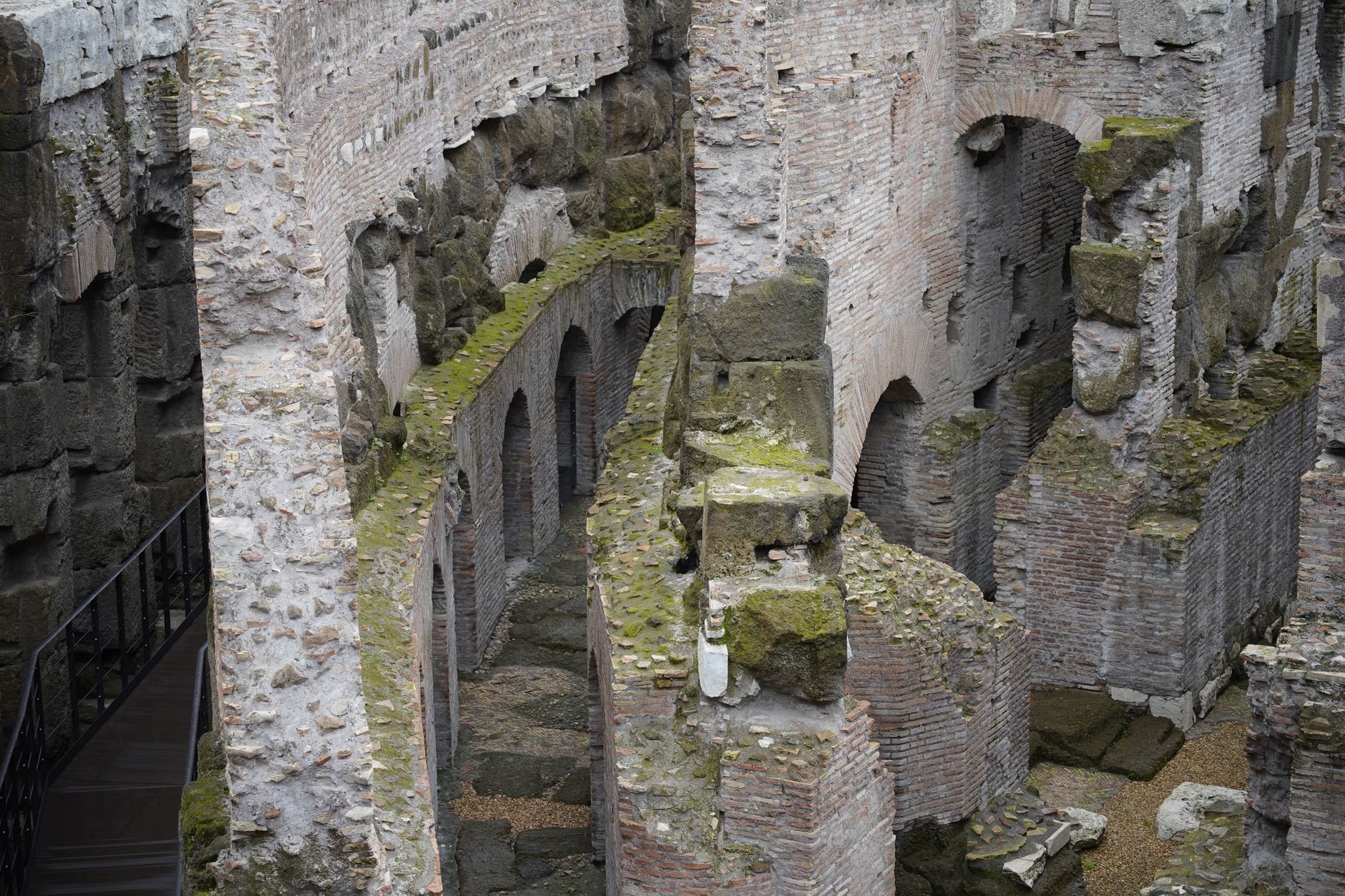
From the second tier you look straight down into the arena and the exposed underground walls. Most people are surprised by how much you see from up there: the scale, the arches, the frames of sky through the outer ring, and the Arch of Constantine just outside.
What you don’t get: you won’t step onto the arena floor or go below it. For a lot of travelers that’s fine. On a short trip, with young kids, or if you mostly want to stand inside the Colosseum once in your life, this ticket does the job and leaves money for the rest of Rome.
One honest downside: the standard route gets packed around midday. Book the first slot of the morning or one in the late afternoon, and the tiers feel like a different building.
Full Experience Tickets: Arena, Underground or Attic
The Full Experience Colosseum tickets add restricted areas on top of the standard route. They also let you visit the Forum and Palatine the day before, the same day or the day after your Colosseum slot, which takes a lot of pressure off. They cost a few euros more than the standard ticket at the official site, still under €30, so check the official site for current prices before you book.
Full Experience Arena
This one adds the arena floor, a rebuilt section of platform at one end of the arena. Standing there and looking up at the tiers is striking. It’s also a short stop, and many visitors find the view from ground level less impressive than the view from the second tier, because you see less of the underground.
Get it if you want the gladiator’s-eye photo. Skip it if underground slots are available, because that ticket includes the arena too. The park also sells an arena-only ticket as a fallback; read its inclusions carefully, since it isn’t the same as the standard route.
Full Experience Underground and Arena
This is the best ticket the park sells, and the hardest to get. You go down into the hypogeum, the maze of corridors and chambers where animals, scenery and fighters waited before being lifted into the arena. Visits run in small groups at set times, and you walk the arena floor as part of the same ticket.
Slots are tiny compared with demand. In busy months they can vanish within minutes of release. If this is the one you want, be on the official site the moment your date opens, with every traveler’s full name and ID details ready. The park also sells a version with an official educational tour for a little more.
If the official slots are gone, a guided tour from a licensed operator is the realistic way down. You can compare small-group Colosseum underground tours and filter by group size and reviews. Before paying, check what the operator does if the underground part is cancelled at short notice. It happens, and the good ones spell out the refund clearly.
Full Experience Attic
The attic ticket takes you up to the fourth and fifth levels, for views over the whole oval and out across the Forum. Groups are very small and this area doesn’t always run, so treat it as a bonus if you spot availability rather than something to plan your trip around. Photographers and crowd-haters love it.
Which Colosseum Ticket Should You Buy?
Match the ticket to the kind of trip you’re on:
- First visit, short trip or tight budget: the standard ticket. You’ll see most of what matters.
- History fans and repeat visitors: Full Experience Underground and Arena. It’s the one people still talk about at dinner.
- Families with young kids: the standard ticket, early slot. Under-18s enter free, but they still need a booked ticket, with a small reservation fee online.
- Photographers: the attic if it’s running, otherwise the second tier in late afternoon light.
- Last-minute planners: a guided tour, or the ticket office on the day (more on both below).
Our take: the arena upgrade on its own is the most overrated ticket here. If you’re going to pay extra, aim for the underground. If you can’t get it, keep the money and give the Palatine Hill a proper second morning instead. Most people rush it, and it’s the calmest, greenest part of the whole site.
EU citizens aged 18 to 24 pay a token reduced fare, and some groups enter free under Italian rules. The park’s opening times and tickets page lists who qualifies, so check it before paying full price.
Sold Out? Your Realistic Options
Colosseum tickets for spring, summer and weekends go first. When the official calendar shows nothing for your date, you still have four decent routes in.
- Keep checking the official site. Availability shifts, so look again at different times of day before giving up.
- Go to a ticket office. A share of each day’s tickets is sold on site, at Piazza del Colosseo and at Largo della Salara Vecchia on Via dei Fori Imperiali. Arrive early and expect a queue.
- Book a guided tour. Licensed operators have their own ticket allocations, so a tour often has space when the official site doesn’t. You pay more, but you get a guide and your entry is sorted.
- Use the free first Sunday. Entry is free on the first Sunday of every month, with tickets handed out at the ticket offices in order of arrival. It’s crowded, so it only makes sense if you’re flexible and up early.
What to avoid: random resale sites and anyone selling tickets outside the Colosseum. Official Colosseum tickets are named, so one bought under someone else’s name can get you turned away at the gate with no refund. Some third-party sites also charge two or three times the official price for a plain standard ticket dressed up as “skip-the-line”. With a timed ticket, everyone skips the ticket line anyway. You still queue for security.
Tips for the Day of Your Visit
- Arrive early. The underground ticket asks you to be there 30 minutes before your slot. For the others, 15 to 20 minutes gives you time to clear security.
- Pack light. Big bags slow down security. A small daypack is plenty.
- Bring water and a hat. The Forum and Palatine have little shade, and summer afternoons are fierce. Refill your bottle at the drinking fountains around the ruins.
- Pick a quieter gate. The Forum and Palatine have several entrances, including the Arch of Titus and Via di San Gregorio, so you don’t have to start next to the Colosseum crowds.
- Keep your ticket on your phone. There’s no need to print it.
- Wear shoes with grip. Ancient stone is uneven and polished smooth by millions of feet.
If Paris is on the same trip, our guide to Eiffel Tower tickets and timing covers another landmark where the right ticket saves you hours. Planning a wider trip? Start with our Italy travel guides.
Questions Travelers Ask
Do Colosseum tickets include the Roman Forum?
Yes, almost all of them. The standard and Full Experience tickets include the Roman Forum and Palatine Hill. The exception is the Forum Pass, which covers the Forum and Palatine but not the Colosseum.
How far ahead should I book Colosseum tickets?
Sales open 30 days before each date. For standard entry in quieter months, a week or two ahead is often enough. For the underground, or any visit in spring and summer, book the day your date opens.
Can I buy Colosseum tickets at the entrance?
Yes. The ticket offices sell a share of each day’s tickets, first come, first served. It’s a gamble in peak season, so don’t make it your only plan.
Is a guided tour worth it?
For the underground, often yes, since it’s frequently the only way in once official slots are gone. For the standard route, reading up a little beforehand gets you most of the value for far less money.
How long should I spend at the Colosseum?
Plan on 75 to 90 minutes inside, which is as long as most tickets allow. Add two to three hours for the Forum and Palatine, or split them across two days with a Full Experience ticket.
One last tip: set a phone alarm for midnight Rome time, 30 days before your date, and have everyone’s passport details open in a note before you start. Underground slots usually go to whoever gets through the name fields fastest, not whoever wanted them most.
Some links in this post are affiliate links. If you book through them, we may earn a small commission at no extra cost to you.
Cover photo by Matteo del Piano on Unsplash
