You’re at the rental desk at Keflavík, jet-lagged, coffee in hand, and the agent slides over a laminated sheet covered in acronyms: CDW, SCDW, GP, SAAP, TP. Outside, the wind is already rattling the windows. Iceland car rental insurance looks like an upsell festival, and some of it is. But a few of those letters are the difference between a carefree road trip and a bill that costs more than your flights.
Here’s the honest version. Iceland’s risks don’t come from traffic. They come from gravel, wind, sand and rivers. Buy cover for those, skip the gadgets, and you’re set.
This guide walks through what’s already included, the add-ons that earn their keep, what no policy will ever pay for, and the counter extras you can wave away with a smile. Still shaping the rest of the trip? Keep our Iceland tours and travel guides open in another tab.
- Always included: third-party liability and a basic collision damage waiver (with a high excess)
- Worth adding for almost everyone: gravel protection
- Worth adding on the South Coast or in wind: sand and ash protection
- Never covered anywhere: river crossings and off-road driving
- Usually skip: rental GPS, Wi-Fi hotspot, prepaid fuel
What’s already in the price (and why it isn’t enough)
Every rental in Iceland comes with third-party liability, which is mandatory and covers damage you cause to other people, their cars or property. Most companies also include a basic collision damage waiver (CDW) for the car itself.
The catch is the excess. With basic CDW you still owe a big chunk of any repair, often in the range of a few thousand US dollars, and CDW typically excludes the damage that actually happens here: chipped windscreens, sandblasted paint, bent doors. That’s why the add-on list exists.
A Super CDW (SCDW) lowers that excess. It’s a solid upgrade, but it usually keeps the same exclusions as CDW, so it doesn’t replace the Iceland-specific protections below.
The Iceland car rental insurance add-ons worth paying for
Gravel protection: the one almost everyone needs
Gravel roads aren’t just a highlands thing. Plenty of routes to waterfalls, guesthouses and trailheads turn to gravel, and even the paved Ring Road has loose patches and roadworks. A single stone flicked up by a passing truck goes tink against the glass, and suddenly there’s a star-shaped crack in your line of sight.
Gravel protection (GP) covers that kind of damage to the windscreen, headlights and paintwork. Unless you’re doing one short paved day in summer, add it.
Sand and ash protection: small fee, huge downside
On the black sand plains of the South Coast, a strong wind can pick up grit and fire it at your car like a sandblaster. Paint dulls, glass frosts, lights haze over. Standard CDW and SCDW exclude it, and the repair can run into the hundreds of thousands of krónur, sometimes over a million.
Sand and ash protection (SAAP) is usually a modest daily fee. If your route includes the South Coast, the Reykjanes Peninsula or anywhere exposed on a windy day, it’s one of the best-value boxes you can tick. Sticking to Reykjavík and the Golden Circle in calm summer weather? It matters much less.
The zero-excess bundle: pay once, stop worrying
The top tier of Iceland car rental insurance is a package that folds SCDW, GP, SAAP and theft protection together and drops your excess to zero or close to it. Most local companies sell one, and bought separately, the pieces often cost more.
Nice to have, depending on your route
Tire protection earns its place if you’re heading off the pavement a lot, since sharp gravel and potholes are hard on tires. On a paved Ring Road loop it’s optional.
Roadside assistance cover reduces what you pay for call-outs that are your responsibility, like a flat, a dead battery or keys locked inside. On long, empty stretches in the East Fjords or the Westfjords, that peace of mind is worth something.
Theft protection is the one to question. Car theft is rare in Iceland and many companies already include it. Check your quote so you don’t pay for it twice.
What no policy will cover (read this part twice)
This is where travelers get burned. Even the most expensive package has hard limits, and Iceland’s official road-safety site, Safetravel, is worth a look before you set off.
- River crossings and water damage. Flooding the engine in a highland ford is almost always on you, whatever you paid.
- Off-road driving. Leaving marked roads is illegal in Iceland and voids your cover.
- Undercarriage damage from rocks and deep ruts.
- Doors blown open by the wind. The classic Iceland claim, and usually excluded.
- Negligence, driving after drinking, the wrong fuel, or a driver who isn’t on the contract.
F-roads, the rough mountain tracks into the highlands, also need a proper 4×4 by law, and rental contracts forbid taking a small car up there. Nervous about rivers? Let someone else do the wading: a super-jeep day into the highlands puts the fords on a local driver’s shoulders. You can compare Landmannalaugar super-jeep tours and keep your rental on the tarmac.
Does your credit card cover a car rental in Iceland?
Maybe, but rarely in the way you’d hope. Card-based collision cover tends to exclude exactly the risks that define driving here: gravel, sand and ash, undercarriage and water.
It also usually works by reimbursement. The rental company charges your card first, and you file a claim later with receipts and reports. Some card policies also exclude certain countries or vehicle types like large 4x4s. Call your card provider, ask specifically about Iceland and gravel damage, and get the answer in writing before you turn down the Iceland car rental insurance at the counter.
Extras you can skip at the counter
Skip the rental GPS, use your phone. Download offline maps before you leave the airport Wi-Fi and your phone will guide you round the whole island without a signal. Rental units often cost a surprising amount per day for the same job.
Skip the Wi-Fi hotspot, get an eSIM. The Ring Road has decent mobile coverage, and a travel eSIM gives your phone data from the moment you land. A travel eSIM for Iceland is usually far cheaper than renting a hotspot for a week or two.
Skip prepaid fuel (mostly). You pay for a full tank whether you use it or not. It only makes sense if you’re catching a dawn flight and genuinely won’t have time to fill up near the airport.
Extras that are actually worth it
An extra driver. Days are long, the scenery is distracting and the wind is tiring. Sharing the wheel keeps everyone sharper, and only listed drivers are covered.
Child seats. They’re required by law for young kids. Bring your own if your airline carries them free, or reserve them early since availability can be limited.
Winter tires, by the way, aren’t an extra. Between roughly November and mid-April, rentals come fitted with studded tires as standard. Nobody in Iceland uses snow chains, so don’t go looking for them.
Small charges that catch people out
The Vaðlaheiðargöng tunnel toll. Iceland has one toll road, a tunnel on the Ring Road just east of Akureyri. There’s no barrier, cameras simply read your plate. You pay online at tunnel.is within 24 hours before or after you drive through (there are also payment kiosks at the entrances). Miss that window and the bill goes to the rental company, which passes it on with a handling fee.
The road usage fee. Iceland charges a per-day road usage fee on rental cars, and companies show it as a separate line. It’s a legal charge, not an upsell, so don’t argue it at the desk.
Your own damage report. Before you drive off, walk round the car and film every scratch, chip and dent, including the windscreen and wheels. It takes three minutes and ends most return-day arguments before they start.
Questions travelers ask
Is gravel protection really necessary in Iceland?
For nearly every trip beyond Reykjavík, yes. Gravel shows up even on paved routes, and a cracked windscreen is one of the most common rental claims. Basic CDW usually doesn’t cover it.
Do I need sand and ash protection for the Golden Circle?
Less so, especially in calm summer weather. It becomes important on the South Coast, around the black sand plains and on the Reykjanes Peninsula, where strong winds pick up sand and grit.
Does any Iceland car rental insurance cover river crossings?
Almost never. Water and undercarriage damage are excluded by most policies, and damage from crossing a river you weren’t allowed to cross is always on you. If the highlands are calling, a guided super-jeep tour is the safer bet.
Can I rely on my credit card instead of the rental company’s insurance?
Only after you’ve confirmed it in writing. Many card policies exclude gravel, sand, water and undercarriage damage, and you’ll usually pay the rental company first and claim it back later.
One last thing before you go: check the official road conditions map every morning of your trip. It shows closures and wind warnings in real time, and the right road on the right day protects your car better than any policy ever will. Now go chase those waterfalls.
Some links in this post are affiliate links. If you book through them, we may earn a small commission at no extra cost to you.
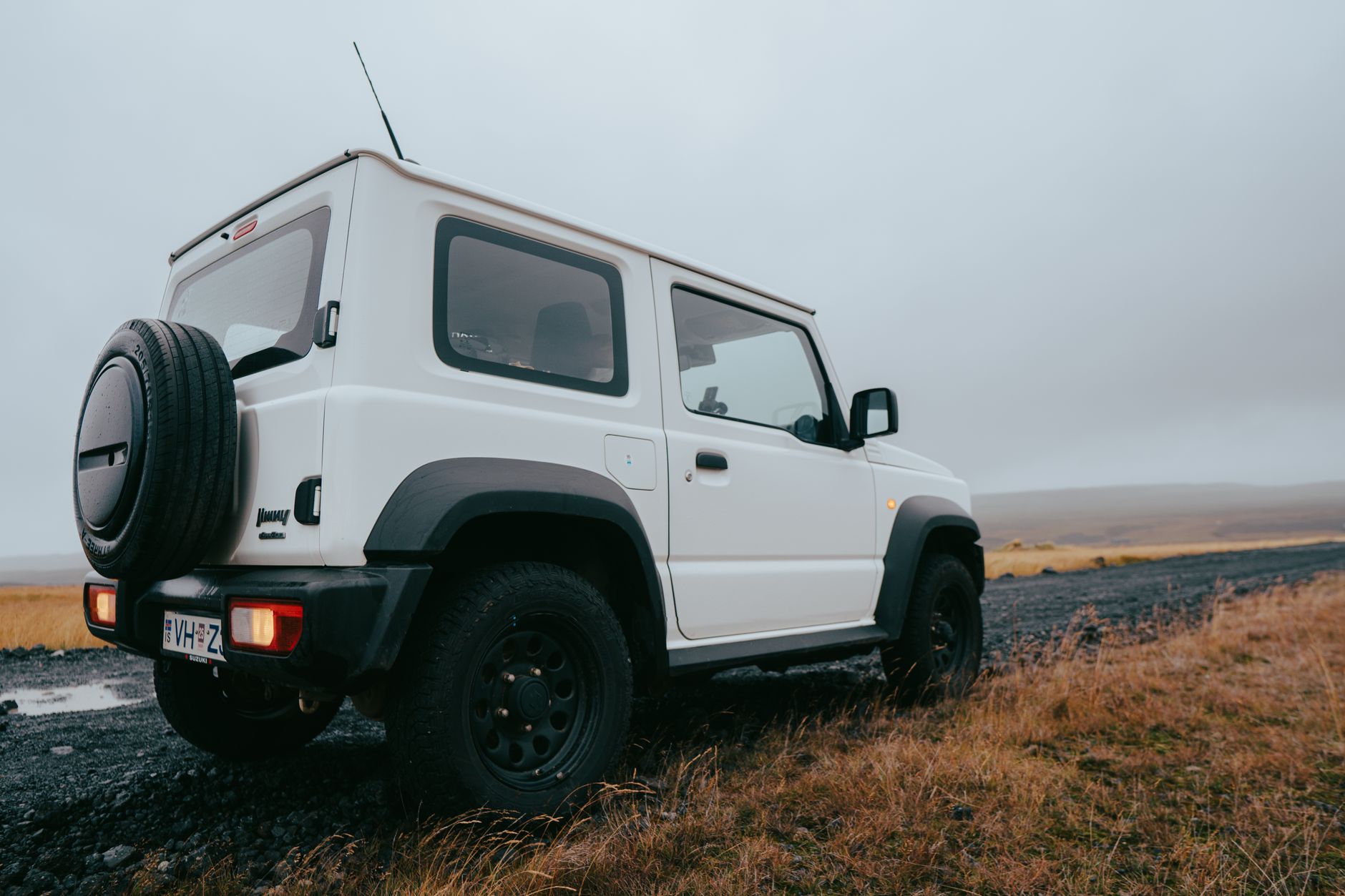
Cover photo by David Hitchcock on Pexels