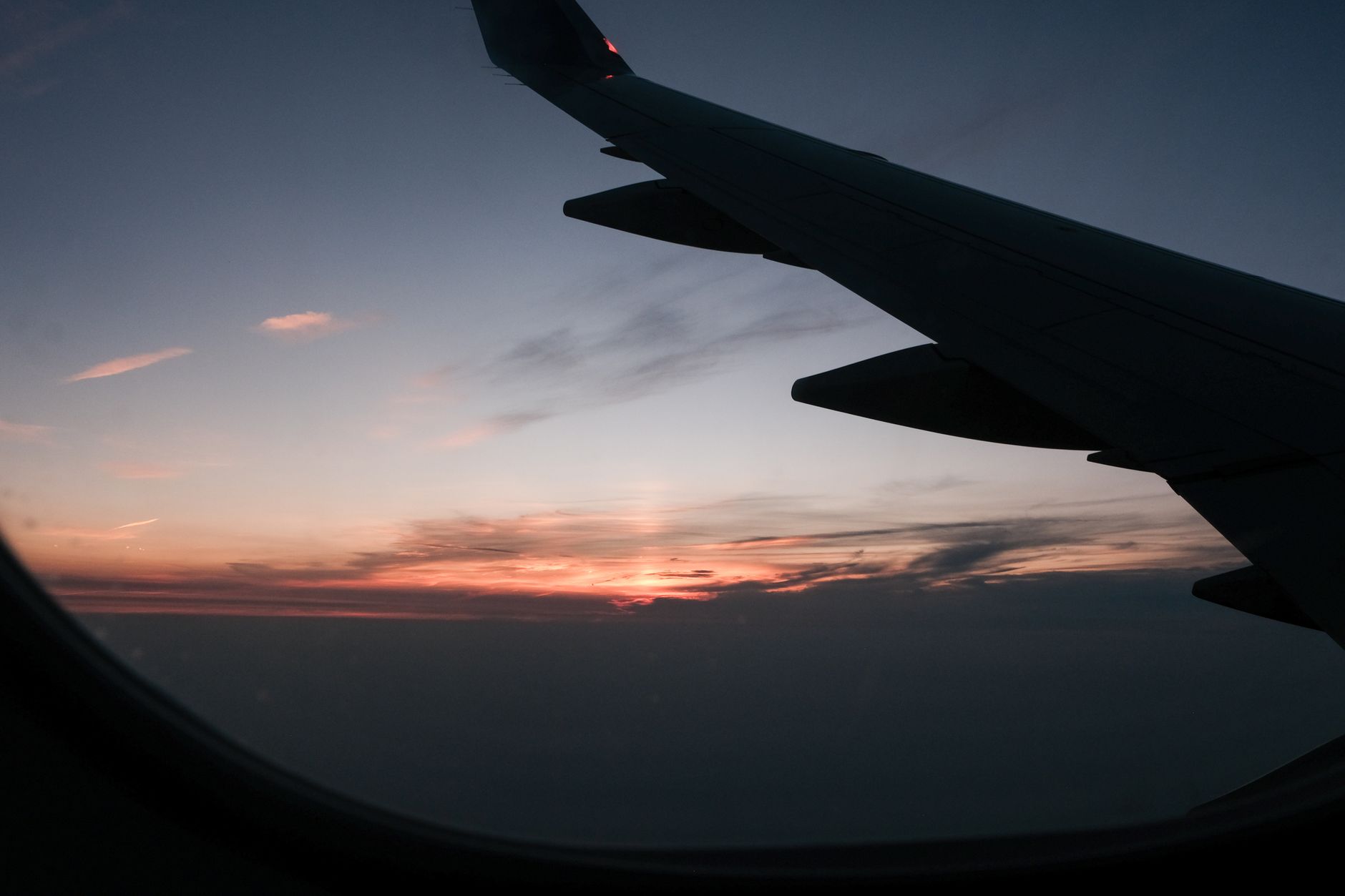
It’s hour nine of your long-haul flight with a toddler. The cabin lights have gone that sleepy amber, the engines hum one flat note, and the small person on your lap has just discovered the tray table latch. Click. Click. Click.
Here’s the good news: a flight like this rarely goes well or badly by luck. It goes well because of five or six decisions you make before you ever reach the gate, and a handful of tricks you pull out at the right hour.
This guide covers the ones that actually move the needle: which flight to book, where your child sits, what goes in the carry-on, how to handle ears on the way down, and the landing plan most parents forget. Once you’ve sorted the flight, browse our worldwide travel guides and planning tips for the rest of the trip.
At a glance
- Best flight: nonstop if the price gap is sane, timed close to your child’s normal sleep.
- Best seat: their own seat once the flight runs past about 8 hours, even before age 2.
- Carry-on heroes: lots of small snacks, a few wrapped new toys, kid-sized headphones, two spare outfits (one for you).
- Ears: sipping, sucking or chewing during the descent, not just takeoff.
- Landing: a pre-booked ride and an easy first evening.
Book the flight your toddler would pick
Adults shop by price and total travel time. Toddlers care about two things: how many times they get strapped in and unstrapped, and whether the plane lines up with bedtime.
Every extra leg means another boarding scramble, another takeoff, another descent, and another stretch of waiting at a gate that smells of coffee and floor cleaner. If a nonstop costs a little more, it’s usually worth it. If a connection saves real money, pick one with a generous layover rather than the tightest legal one.
Timing matters just as much. An evening departure on a long overnight leg works for a lot of families because the cabin goes dark right when your child’s body expects it. A morning flight can work too, as long as you expect one long nap and a lot of snack-based diplomacy.
Lap child or own seat on a long-haul flight with a toddler
Under age 2, most airlines let your child fly on your lap. From their second birthday, they need their own ticket and their own seat. On international routes a lap ticket is usually not free either: expect a reduced fare plus taxes, so check what your airline actually charges before you decide it’s a bargain.
And the bassinet you’re picturing? It’s built for babies, not walkers. Airline bassinets typically cap out somewhere around 10 to 11 kg, and many are meant for infants who can’t sit up yet. By 18 months, most kids are too big or too wriggly for one.
So here’s the honest take: on anything past about eight hours, a seat of their own is the single biggest upgrade you can buy. A toddler across your knees for twelve hours means neither of you sleeps properly. A toddler in their own seat, strapped in and slumped against a pillow, might sleep for six.
Car seat or harness
If your child has a seat, you can often bring an approved restraint. For flights under US rules, a car seat needs a label saying it’s certified for motor vehicles and aircraft. The lighter option is the CARES harness, which the FAA’s child safety guidance lists for kids who weigh between 22 and 44 pounds and are up to 40 inches tall. It weighs less than a pound and fits in a diaper bag.
Rules outside the US vary by airline and country, so check your carrier’s child restraint policy before you haul a car seat through the airport.
The carry-on that saves the whole flight
Think of your carry-on as a slow-release entertainment system. The trick isn’t having the most stuff. It’s rationing novelty across the hours.
- Snacks, in tiny portions: crackers, dried fruit, puffs, a cheese stick. Opening a small container is itself an activity.
- A few new, wrapped toys: unwrapping buys you minutes. Stickers, a mini magnetic board, a small book with flaps.
- Kid-sized headphones: seatback screens are brilliant, but airline headphones often don’t fit small heads.
- Downloaded shows: never count on the seatback system or the wifi.
- Two spare outfits for them, one for you: spilled juice at hour three shouldn’t mean sticky jeans until arrival.
- The sleep kit: their comfort toy, a thin blanket from home, pajamas if they’re used to them.
Liquids for kids get special treatment at security. In the US, TSA allows formula, milk, toddler drinks and puree pouches over the usual 100 ml limit in your carry-on. Tell the officer at the start and pack them together so you can pull them out fast. Other countries have similar exceptions, but check before you fly.
Sleep, screens and surviving the middle hours
The first two hours are exciting. Buttons! Tiny drinks! A window full of clouds! The real test comes after dinner service, when the novelty’s gone and there are still seven hours to go.
Recreate bedtime as closely as you can. Pajamas, a story, the same song you use at home, the lights off. The ritual tells a tired little body it’s time, even at 35,000 feet.
When they’re awake, forget your home screen-time rules. This is survival mode. Mix screens with short walks up and down the aisle, a visit to the galley window, or a game of spotting the seat numbers. Flight attendants on long-haul routes have seen it all, and plenty will happily wave at a toddler doing laps.
A small sanity win if you’re flying as two adults: take turns. One parent sleeps while the other is on duty, in shifts, instead of both of you half-sleeping for twelve hours.
Takeoff, landing and little ears
Ear pressure is the part parents dread most, and it’s the most fixable. The pressure changes are strongest on the way down, which starts well before you see the runway. Swallowing helps equalize the ears, so the goal is simple: get your toddler sipping, sucking or chewing during the descent.
A water bottle with a straw, a pouch, a lollipop for older toddlers, or milk works. Save a favorite snack specifically for the descent so it feels like a treat, not a chore.
Some crying on the way down is normal. It isn’t a sign you’ve failed; crying actually helps ears pop too. The other passengers are landing in a few minutes as well, and most of them have been there.
Layovers and delays (without a meltdown)
If you do connect, treat the layover as playtime, not waiting time. Many big hub airports have children’s play areas; look them up on the airport’s website before you fly and head straight there. Let them run before the next flight, then feed them at the gate.
Keep the stroller as long as you can. Most airlines let you gate-check it, which means it’s waiting for you at the aircraft door on arrival instead of on a distant baggage belt.
Delays happen, and with a toddler they sting more. Keep your boarding passes and receipts, and if a late or cancelled flight wrecks your plans, check whether you might be owed compensation for the disruption.
Landing: the part nobody plans
You made it. Now comes the bit most parents forget to plan: getting from the arrivals hall to a bed with a tired, confused toddler and a pile of bags.
Pre-book your ride. Standing in a taxi queue at midnight with a sleeping child on your shoulder is nobody’s idea of fun. With a pre-booked airport transfer, a driver is waiting with your name, and you can ask about a child seat when you book.
Keep the first evening small. A walk, an early dinner, a bath. Get outside in daylight the next morning, since natural light helps little bodies reset to the new time zone. Expect a few rough nights; toddlers often adjust faster than their parents.
Where you sleep matters too. A place with a kitchen and a separate room for naps can make those first jet-lagged days much easier, which is why many families weigh whether an apartment or a hotel really costs less once fees are added. If you’re heading to Japan, pick a base close to a station, like the areas in our guide to the best Tokyo neighborhoods for first-timers, so a nap back at the room is never a long trek.
Questions travelers ask
Is it better to fly overnight with a toddler?
For most families, yes, on very long legs. An overnight flight lines up with your child’s natural sleep, so the cabin going dark helps rather than fights them. It works best if you keep the bedtime routine and they have space to lie down.
Do I need to buy a seat for my toddler on a long-haul flight?
Under 2, it’s usually optional; from age 2, it’s required. On flights longer than about eight hours, many parents find a seat worth the cost because everyone sleeps better. Check your airline’s lap-child fare so you can compare the real difference.
Can I bring milk for my toddler through airport security?
In the US, milk, formula, toddler drinks and puree pouches are allowed in carry-on above the normal liquid limit. Tell the security officer at the start and have them ready to screen separately. Other countries have similar rules, but check the local airport authority before you travel.
How do I help my toddler with ear pain on a plane?
Encourage swallowing during the descent with a drink, a pouch or a snack. The descent usually matters more than takeoff. If the pain seems severe or your child has a cold or ear infection, talk to your doctor before flying.
One last thing before you go: pack a tiny surprise bag for the final hour of the flight, when everyone’s frayed and landing feels forever away. A new sticker book at that exact moment feels like magic. You’ve got this.
Some links in this post are affiliate links. If you book through them, we may earn a small commission at no extra cost to you.
Cover photo by Gatsby Yang on Pexels