It’s 9pm, the platform smells of diesel and warm pretzels, and you’re about to find out what night trains in Europe are really like. An attendant checks your name off a clipboard, you find your compartment, kick off your shoes, and the city lights start sliding past the window.
By the time you wake up, you’re in another country. You’ve skipped a hotel night, skipped the airport, and arrived right in the city center before breakfast. That’s the promise, and most of the time it delivers. But the experience depends almost entirely on which bed you book.
Here’s what a night on board actually feels like, how much sleep you’ll really get, and how to pick the right berth for your budget and your nerves.
At a glance
- Best for: trips of roughly 8 to 14 hours, where a flight would eat most of a day anyway.
- Bed options: reclining seat, couchette (shared bunk compartment), private sleeper cabin, and on newer trains, a solo mini cabin.
- Budget: a couchette berth often costs less than a central hotel room; a private sleeper sits closer to a mid-range hotel. Check the operator’s site for current prices.
- Book: as early as you can for summer and holidays, when the cheapest berths go first.
Want more practical planning help? Browse our travel guides for trips anywhere in the world.
Your night on the rails, hour by hour
Boarding. Night trains usually leave in the evening, and you board like any other train, except an attendant often greets you at the carriage door and shows you to your berth. Couchettes have fresh sheets, a blanket and a pillow waiting on each bunk.
The first hour. This is the fun part. Bunks fold up as seats, snacks come out, and strangers in shared compartments swap destinations. In a private cabin, you’ll hear the corridor settle down as doors click shut one by one.
Lights out. The rocking is gentle on good track and a bit like a boat on rough patches. Expect some jolts when carriages are coupled or split at a junction station in the small hours. That clunk is normal. Nobody’s lost.
Border crossings. If you cross a border, the conductor may collect your passport and ticket or rail pass in the evening, so you’re not woken for checks. It feels odd handing them over. It’s standard practice.
Morning. A knock at the door, a tray with coffee or tea, and the countryside rolling by. On Austria’s Nightjet trains, couchette tickets include a simple breakfast of a roll, butter, jam and a hot drink, while sleeper passengers pick from a menu the night before.
Seat, couchette, sleeper or mini cabin: which bed to book
This choice decides whether you arrive fresh or wrecked. Here’s the honest rundown.
Reclining seat: cheap, and you’ll feel it
Fine for a short overnight hop or if you can sleep anywhere. For a full night, most travelers regret it. The lights, the upright angle and the station stops add up. Skip the seat, book a couchette if your budget stretches at all.
Couchette: the sweet spot
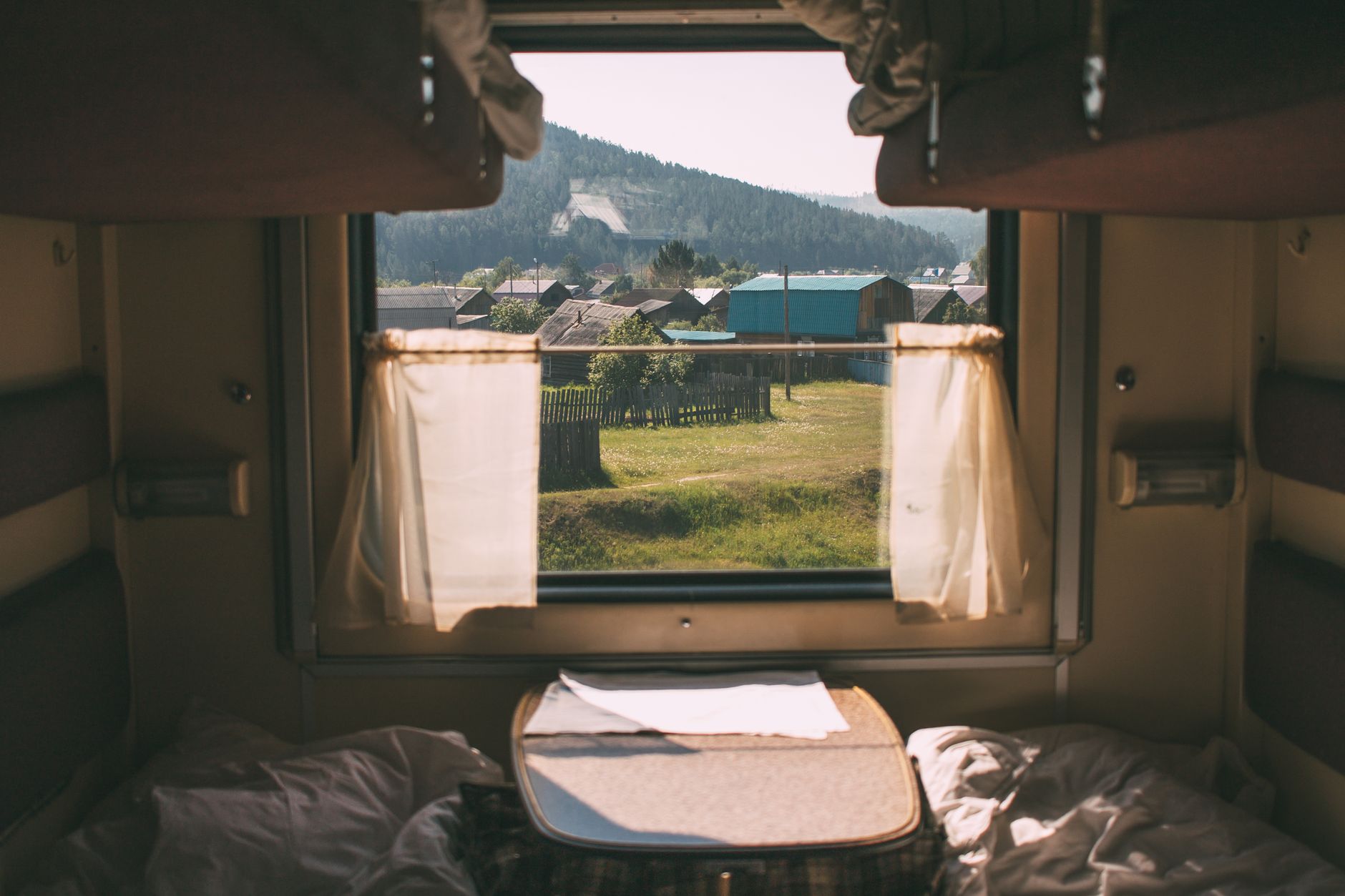
Couchettes are padded bunks in a compartment shared with up to three or five other people, depending on the train. You get bedding and a reading light; toilets and washbasins are at the end of the corridor. Four-berth compartments feel noticeably roomier than six-berth ones and are worth the small extra cost. Some operators, including Nightjet, let families or friends book a whole compartment privately.
Private sleeper: a tiny hotel room that moves
Sleeper cabins hold one to three people in real beds with proper bedding, and many have a washbasin. The newer ones add a private toilet and shower. You lock the door, the attendant brings breakfast to you, and it feels like a treat. It’s also the priciest option, so it makes the most sense for couples or anyone who values sleep over savings.
Mini cabin: the solo traveler’s secret
The newest Nightjet trains have lockable single pods, stacked two high, like a capsule hotel on rails. You get your own bed, window, fold-out table and a locker outside for your bag. They’re compact and can run cool at night, so pack a warm layer, but for privacy on a couchette-style budget they’re hard to beat. See Nightjet’s couchette and mini cabin page for what each category includes.
Will you actually sleep on a night train?
Mostly, yes. Honestly, not like at home.
Light sleepers wake at a few station stops and when carriages are shunted. Heavy sleepers barely notice. The rhythm of the wheels puts many people out faster than a hotel bed would. What makes the biggest difference is the bed type: a couchette with four strangers is livelier than a private cabin, and a seat is a long night by any measure.
A few things help a lot:
- Earplugs and an eye mask. Some trains hand them out; bring your own anyway.
- Layers. Compartments can swing from stuffy to chilly overnight.
- A bottle of water within reach of your bunk, so you’re not climbing down at 3am.
- Brush your teeth early, before everyone queues for the corridor washroom.
What to pack for a night on board
Space is tight. Luggage goes under the lower bunk or on a shelf above the door, and a giant suitcase turns a four-berth couchette into a game of Tetris. Travel light, the same way you would for hopping between Greek islands by ferry.
Put everything you need for the night in one small bag: toothbrush, change of top, charger, snacks, water, earplugs and your ID. Then your big bag can stay shut until morning.
Charging and staying connected
Most newer carriages have a socket or USB port by each bed, but older couchettes may only have one per compartment, so a small power bank earns its place. Onboard Wi-Fi exists on some trains and not others. Mobile signal comes and goes in mountains and tunnels, and on a cross-border night your phone may hop between several countries’ networks before sunrise. A travel eSIM keeps your data working on both sides of the border, which matters when you’re checking the next morning’s connection.
Where night trains in Europe really shine
Some routes are practical. Others are pure magic. A few worth knowing about:
- Vienna is a major hub for Austria’s Nightjet network, with overnight links to cities across Central and Western Europe. Arrive in winter and you can head straight for Vienna’s best Christmas markets with a full day ahead of you.
- London to Scotland on the Caledonian Sleeper: fall asleep in the city, wake up to hills and lochs outside the window.
- Rome to Sicily, where the train is rolled onto a ferry to cross the Strait of Messina. Yes, the whole train. Yes, it’s as fun as it sounds. If you have time in Rome first, these easy day trips from Rome by rail make good warm-up rides.
- Stockholm to the Arctic north of Sweden, where you wake up among lakes and birch forest far from any city.
- Paris to the south of France on France’s Intercités de Nuit couchettes, a classic way to reach the mountains or the coast.
Routes and operators do change, so always check the current timetable before building a trip around one line.
Booking night trains in Europe without the stress
Book early. Cheap couchette berths and single cabins sell out first, especially in summer and around holidays. When sales open varies by operator, so check their site well ahead.
Rail pass holders still need a reservation. Interrail and Eurail passes cover many night trains, but a bed or seat reservation is always required and usually costs extra. The berth type sets the price. Read Interrail’s guide to reservations before you travel. If you’re also weighing a single-country pass, our look at whether the Swiss Travel Pass pays off shows how to run the numbers.
Solo women can book ladies-only couchette compartments on some trains, Nightjet included. Look for the option during booking.
Arriving at dawn (and what to do with your bags)
Night trains often roll in early, sometimes before cafes open and hours before hotel check-in. Plan for it. Find a station bakery, walk the old town while it’s still empty, and catch the kind of morning light day trippers never see.
If your hotel won’t hold your luggage that early, drop your bags at a luggage storage spot near the station and explore hands-free until check-in.
Questions travelers ask
Are night trains in Europe safe?
Generally, yes. Attendants patrol sleeping cars, compartments lock from the inside, and newer trains use key cards. Treat it like a hostel: keep valuables close and lock the door at night.
Is a night train cheaper than flying?
Sometimes the ticket alone costs more than a budget flight. Add the hotel night you save, airport transfers and baggage fees, and a couchette often comes out ahead, especially on routes that land you right in the city center.
Can I shower on a night train?
Only in sleeper cabins that have a private bathroom, which is common on newer trains. Couchettes and seats share corridor toilets and basins, so a pack of wet wipes and a fresh shirt go a long way.
Do I need to bring my own bedding?
No. Couchettes and sleepers come with sheets, a blanket and a pillow. If you book a seat, bring a scarf or light blanket and an inflatable pillow.
One last tip before you go: grab a window-side spot for the last hour of the ride. Watching a new country wake up outside your compartment, coffee in hand, is the moment you’ll keep telling people about.
Some links in this post are affiliate links. If you book through them, we may earn a small commission at no extra cost to you.
Cover photo by viktor rejent on Unsplash


