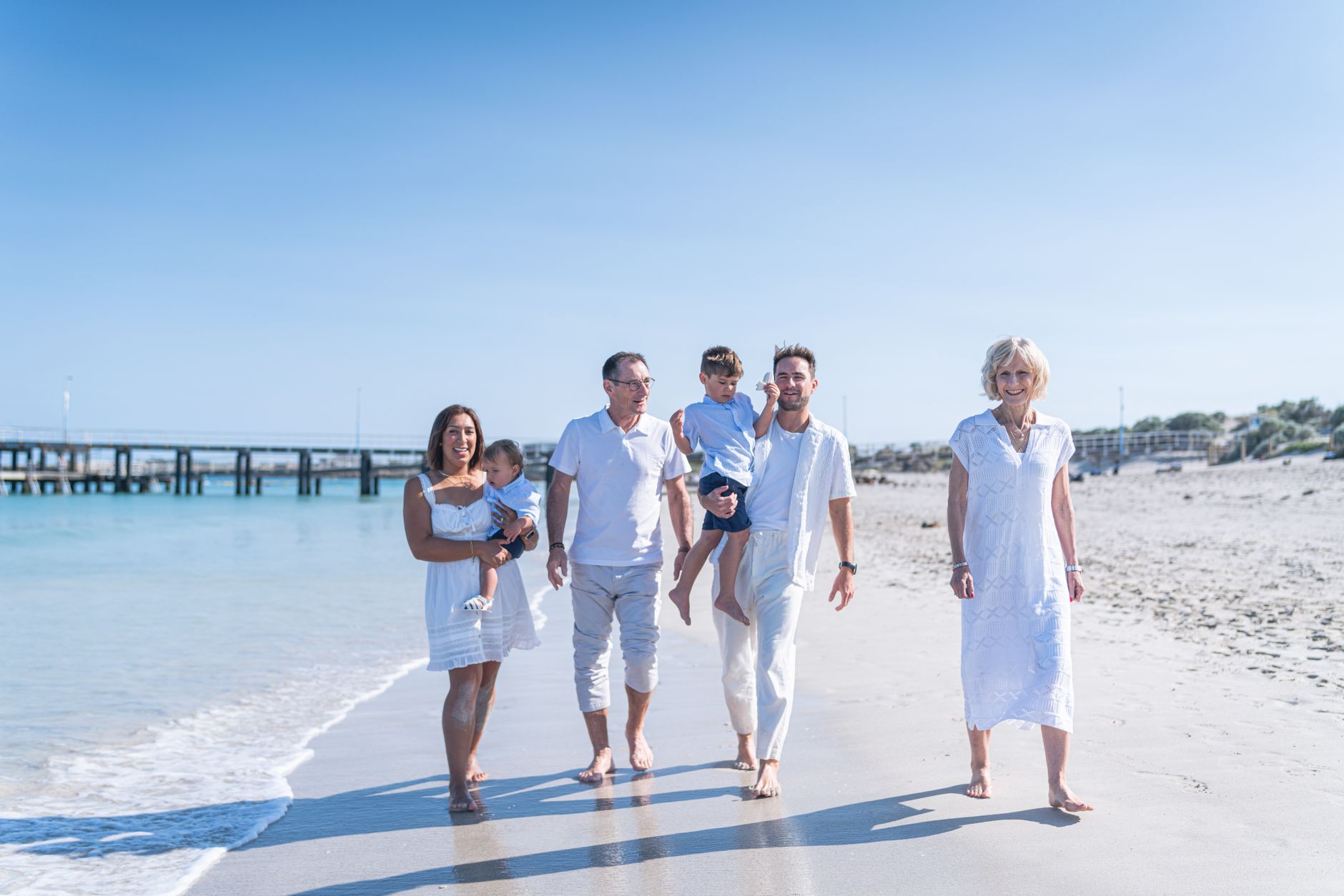
It’s 1pm. The pool deck is warm under your feet, the sea is glittering, and you’d love a cold drink and a plate of something. On all-inclusive, you flash your wristband and it’s in your hand. On half board, you glance at the price on the bar menu first. That tiny moment, repeated all week, is the whole all-inclusive vs half board question.
Neither one is always cheaper. The winner comes down to three things: how much you drink, how much time you spend inside the resort, and what food and drinks cost where you’re going.
Get those three right and the answer usually jumps out in five minutes. Below you’ll find the quick math, who each option suits, and the sneaky extras that change the result. For more money-saving planning help, browse our worldwide travel tips and guides.
- Half board: breakfast and dinner. Lunch, snacks and most drinks are on you.
- All-inclusive: meals, snacks and usually local alcoholic and soft drinks.
- All-inclusive tends to win for: drinkers, families with kids, lazy pool-and-beach weeks, isolated or pricey resort areas.
- Half board tends to win for: explorers, light drinkers and non-drinkers, places where local food is cheap and great.
What you actually get (read the small print)
Half board means breakfast and an evening meal. No lunch, no afternoon snacks, and usually no drinks. Some hotels put water on the dinner table, but soft drinks, coffee after dinner and that glass of wine are paid for separately.
All-inclusive normally covers your meals, snacks and local drinks: house beer, wine, spirits and soft drinks. It’s the sound of ice clinking at the pool bar at 3pm and nobody asking for your room number.
The catch? “All-inclusive” means different things at different hotels. Premium spirits, the à la carte restaurants, fresh juices, the spa and motorised water sports often cost extra. Some bars close at a set hour, and drinks after that go on your bill.
The five-minute math for all-inclusive vs half board
Forget gut feelings. Grab your phone calculator and run these four steps for the exact resort you’re looking at.
- Find the upgrade price. Compare the same room on half board and on all-inclusive. Divide the difference by people and nights.
- Estimate your extras on half board. Lunch, snacks, ice creams, coffees, bottled water, drinks with dinner, a nightcap. Use resort prices, not supermarket prices.
- Count your real resort days. A day on a boat trip or in the old town is a day you’re paying for all-inclusive food you won’t eat.
- Compare the two numbers. If your daily extras beat the upgrade price, all-inclusive saves money. If not, half board does.
Here’s how it plays out with made-up round numbers, just to show the logic. Say the upgrade costs 35 a day per person. Lunch at the snack bar is 15, two soft drinks and a coffee come to 8, two beers or glasses of wine at dinner add 12, and one evening cocktail is 9. That’s 44 a day, so all-inclusive wins by 9.
Now take away the alcohol. Your extras drop to 23 and half board wins by 12. Same resort, same room, opposite answer.
Not sure what food and drinks cost where you’re heading? The Post Office’s yearly Holiday Money Report compares the price of meals, coffee, beer and wine across dozens of holiday spots, which makes it a handy reality check.
When all-inclusive wins (and it often does)
You like a drink by the pool. This is the big one. A couple of beers in the afternoon, wine with dinner and a cocktail at sunset can cost more than the whole upgrade on their own.
You’re travelling with kids. Children run on juice, ice cream and “I’m hungry” at 11am. Every one of those is a small bill on half board, and small bills stack up fast.
Your resort sits far from anything. If the nearest affordable café is a taxi ride away, you’ll end up eating at the hotel anyway, at hotel prices.
You’re in a pricey resort area. Meal and drink prices swing wildly between destinations. Post Office research for families has found that the same basket of meals and drinks can cost almost twice as much in one popular resort as in another.
You want a fixed budget. The same research found that most families spend more on holiday than they planned, and food and drink is the biggest leak. All-inclusive plugs it. You pay once and stop doing sums at every bar.
When half board is the smarter buy
You’ll be out most days. Snorkel trips, old towns, ruins, road trips. If you’re out of the resort from breakfast until the sun goes down, you’d be paying for lunches and pool drinks you never touch.
You barely drink. Non-drinkers and one-glass-with-dinner people lose the biggest perk of all-inclusive. Half board often works out cheaper for you.
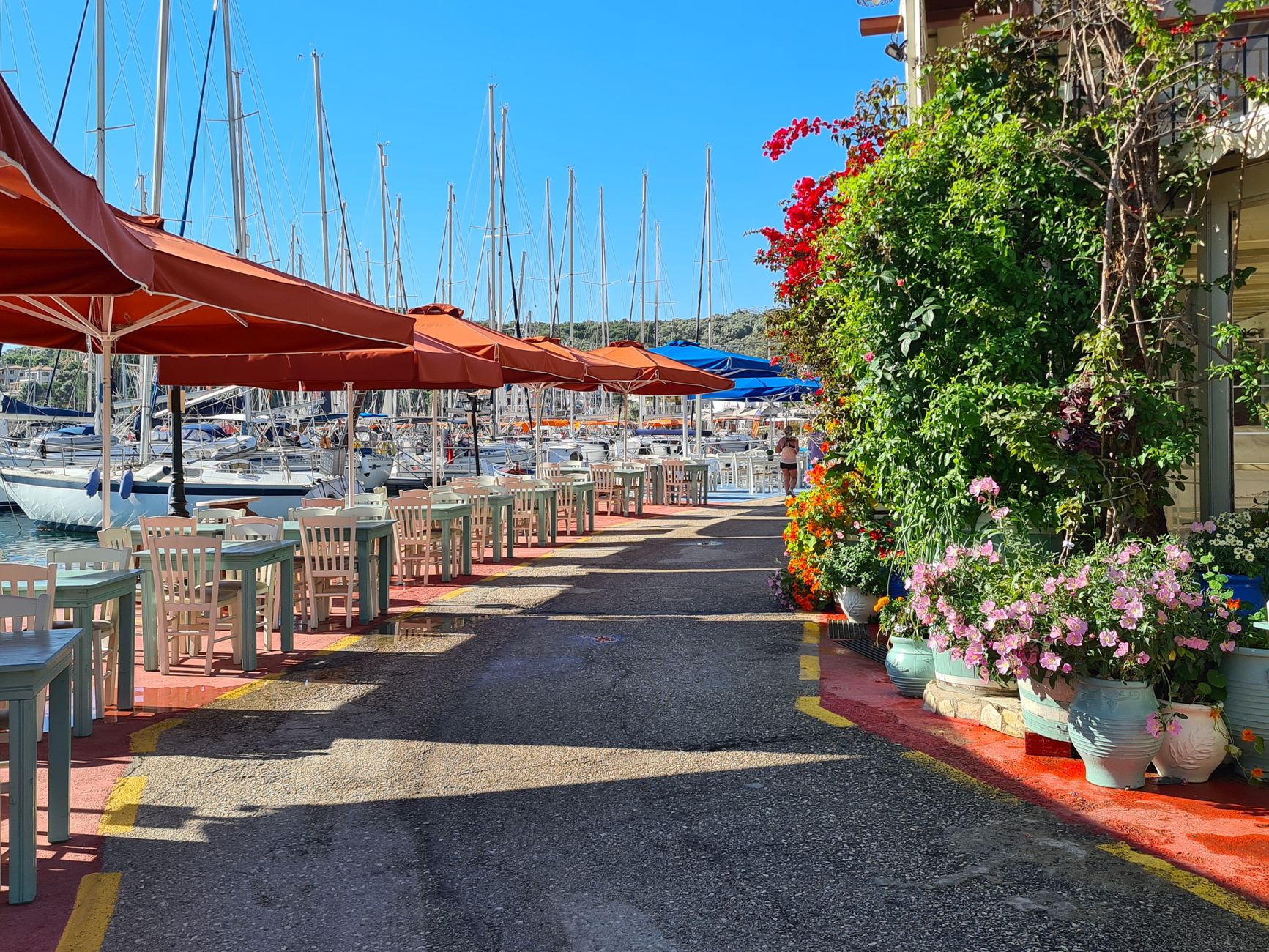
Local food is cheap and part of the fun. Grilled fish at a harbour taverna, a warm flatbread from a street stall, a slow coffee in the square while the town wakes up from its siesta. In places like that, lunch out isn’t a cost. It’s the highlight.
Your hotel is in town. When restaurants and shops are a short walk away, prices drop and the choice explodes. Being “stuck” with the hotel buffet stops being a thing.
The honest downside: half board ties you to coming back for dinner. If you fall in love with a little seafood place across the bay, you either skip it or pay twice.
The hidden costs that flip the answer
This is where most people’s math goes wrong. Watch for these before you decide:
- Premium extras on all-inclusive. Branded spirits, the steakhouse, the beach club loungers. If you’ll want them anyway, the “everything included” deal shrinks.
- Buffet fatigue. By night five, lots of all-inclusive guests start eating out. Every meal outside is money spent on top of food you already paid for.
- Drinks at dinner on half board. Soft drinks and wine at hotel dinner prices add up quietly, especially for a family of four.
- Excursion days. Some resorts pack you a lunch if you’ll miss a meal, some don’t. Ask.
- Tips. Even on all-inclusive, bar and restaurant staff in many resort areas appreciate a little cash. Budget a small amount for it.
Skip this, do that: quick picks by traveller type
- Couple who loves a cocktail: skip half board, go all-inclusive.
- Family with young kids: skip counting coins at the snack bar, go all-inclusive.
- Explorers with a hire car: skip all-inclusive, go half board (or even just breakfast).
- Non-drinkers who stay put: run the math. It’s close, and the resort’s lunch prices decide it.
- Foodies: skip all-inclusive, eat where the locals eat.
It’s the same break-even thinking you’d use to check whether a travel pass pays off, like our breakdown of when the Japan Rail Pass actually saves money. And if you’re wondering whether a rental with a kitchen beats both, see how Airbnb and hotel prices compare once the fees land.
Questions travelers ask
Is all-inclusive cheaper than half board?
Not always. All-inclusive usually saves money if you drink alcohol, travel with kids or spend most days at the resort. Half board is often cheaper if you’re out exploring, drink little and eat lunch somewhere local.
Does half board include drinks?
Usually not. You get breakfast and an evening meal, and some hotels include water at dinner. Soft drinks, alcohol and coffee outside breakfast are normally paid for separately, so check the hotel’s policy.
Is all-inclusive worth it if I don’t drink alcohol?
Often less so, because alcohol is where the biggest savings come from. It can still pay off for families whose kids snack all day, or at isolated resorts where eating out isn’t practical. Run the five-minute math with the resort’s real menu prices.
Can I upgrade from half board to all-inclusive at the hotel?
Some resorts let you upgrade at reception during your stay. Ask before you book, and compare the on-the-spot price with the price of booking all-inclusive from the start.
One last trick for the road: on your first afternoon, check the price of a soft drink at the pool bar. That single number tells you instantly whether you made the right call, and you’ll spend the rest of the week relaxed either way.
Some links in this post are affiliate links. If you book through them, we may earn a small commission at no extra cost to you.
Cover photo by Long Chung on Unsplash