It’s 7:40am at Tokyo Station. The platform smells of grilled eel and sweet soy from the bento stall, a cleaning crew bows as they step off a train they turned around in minutes, and you’re holding a Japan Rail Pass that cost more than a very nice hotel night. The big question: will it actually pay for itself?
Sometimes it’s the best money you’ll spend in Japan. Sometimes it’s a very expensive souvenir. The difference comes down to how far you’re going, and how fast.
This guide gives you the quick math, the routes where the pass wins, the ones where it loses, and a few tricks that squeeze more out of every day. For the bigger picture, browse our Japan tours and travel guides.
- Who can buy it: foreign visitors entering Japan on temporary visitor status.
- Lengths: 7, 14 or 21 consecutive days, in Ordinary or Green Car (first class).
- Pays off when: you ride several long bullet train legs inside the pass window.
- Skip it when: your trip is mostly Tokyo plus Kyoto and Osaka.
- Kids: ages 6 to 11 pay half the adult price.
How the pass works (in plain English)
You get unlimited rides on JR trains across the country for a fixed run of consecutive days. That covers most bullet trains, loads of local and limited express lines, some JR buses and even the JR ferry to Miyajima. Seat reservations on covered trains are free, as many as you like.
What it doesn’t cover matters just as much. Tokyo’s subway, Kyoto’s city buses and the private railways that climb into Hakone or run around the Fuji Five Lakes are all separate tickets. The pass is JR only, and plenty of your everyday sightseeing rides won’t be JR.
The clock never pauses, either. A 7-day pass means seven calendar days in a row from the day you start it, whether you ride 800 kilometers or spend day four soaking in an onsen.
The quick math (no spreadsheet needed)
The pass is priced in yen and has gone up more than once, so check the official Japan Rail Pass price page before you decide. Then run this four-step test:
- List every long train ride you’ll take inside one 7, 14 or 21 day window.
- Look up each one-way fare. Google Maps or a JR fare checker does the job.
- Add them up, plus a little for airport trains and short JR hops.
- If the total beats the pass price, buy it. If it’s close, buy it for the freedom. If it’s well short, skip it.
A handy benchmark: one Tokyo to Kyoto round trip covers only a bit more than half of a 7-day pass. Even a Tokyo to Hiroshima round trip on its own falls short. The pass needs a third or fourth long leg before it starts winning.
When the pass saves you real money
Think of it as a long-haul ticket, not a city ticket. It shines on trips that cover big distances in a short time.
The classic western loop
Tokyo to Kyoto, on to Hiroshima, then back to Tokyo, all inside a week. Priced one ticket at a time, that loop lands right around the cost of a 7-day pass. Add a quick stop at Himeji Castle, the airport express and the ferry to Miyajima, and you’re ahead.
All the way to Kyushu
Stretch that loop to Fukuoka and back and the pass comes out clearly on top. You also get the lovely freedom of hopping off wherever the view out the window looks good.
North from Tokyo
Kanazawa, Sendai, Aomori, Hakodate. The northern bullet train routes are long, and the pass covers every train on them with no fast-train exclusions. A far-north run to Aomori or Hakodate plus a Kyoto round trip usually tips the scales.
Travelers who hate planning
Some people want to wander into the station, glance at the departure board and pick a city. If that spontaneity is worth a small premium to you, the pass is freedom you can fold into your wallet.
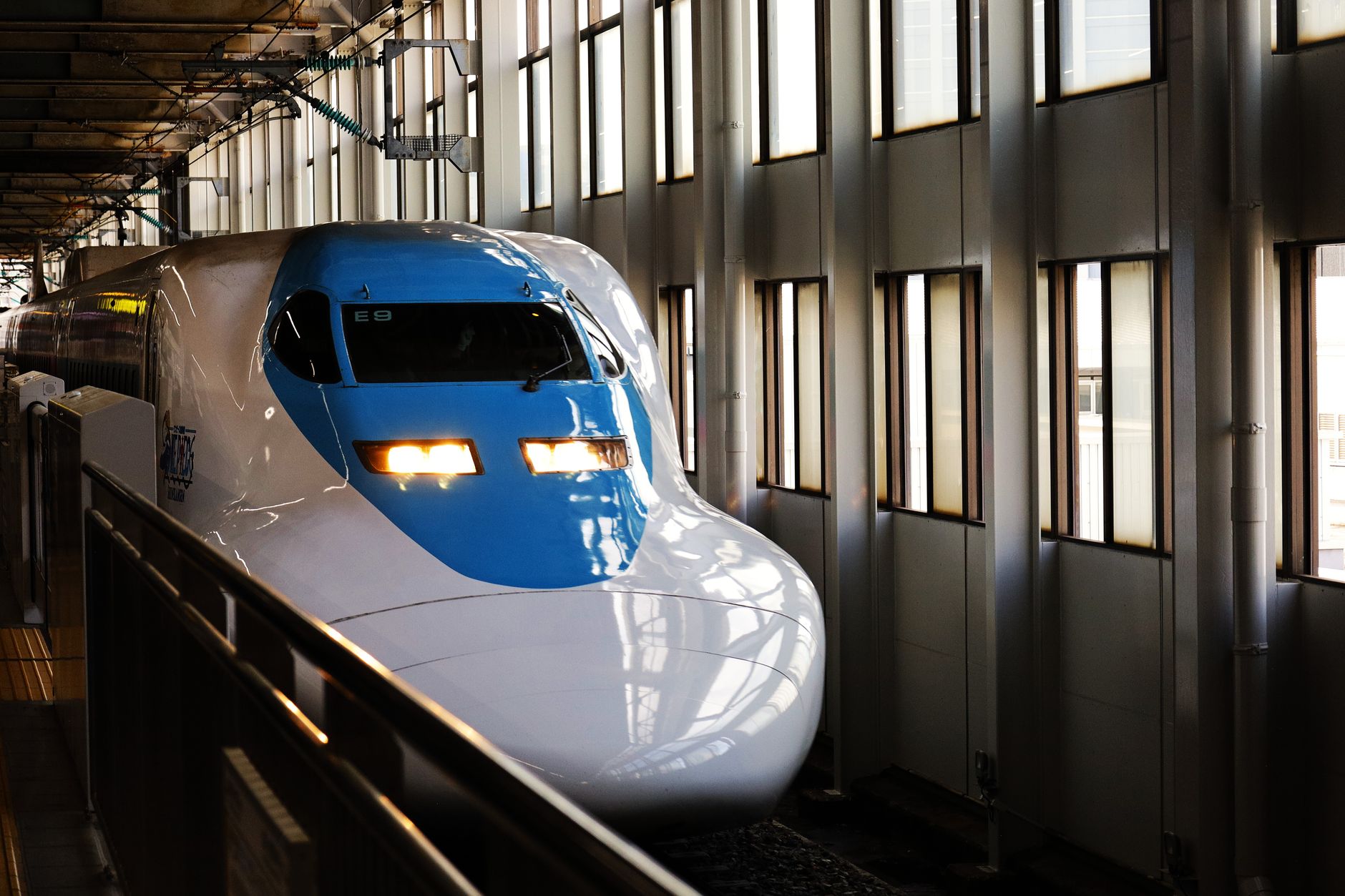
When it doesn’t pay off (and what to buy instead)
This is where most first-timers overspend. Tokyo plus Kyoto plus Osaka, the most popular first trip, rarely justifies a nationwide pass.
Why? After the big ride from Tokyo, everything in Kansai is short and cheap. Kyoto to Osaka on a regular train costs about the same as a coffee, and Nara is the same story.
- Tokyo and Kyoto or Osaka only: buy single tickets. You can book a one-way Tokyo to Kyoto bullet train ticket ahead and tap an IC card for everything else.
- One region only: a regional JR pass can cost a fraction of the nationwide one. Compare regional options like the Kansai-Hiroshima Area Pass if you’re sticking to western Japan.
- Tokyo with day trips: Kamakura, Nikko or Hakone rarely add up to a 7-day pass, and Hakone’s mountain railways aren’t JR anyway.
- Slow travelers: a week in one city means the consecutive-day clock works against you.
The Nozomi question: pay extra or not?
Nozomi trains are the speed demons of the Tokyo to Osaka line and beyond. Pass holders can ride them with a special add-on ticket from JR machines or counters in Japan, at several thousand yen per ride.
Our take: skip it for Tokyo to Kyoto. The covered Hikari trains make that run only 20 to 30 minutes slower, with the same reclining seats and the same bento on your tray table. On longer rides like Tokyo to Hiroshima, where a Hikari often means a change and a noticeably longer day, the add-on starts to make sense.
Timing tricks that stretch your Japan Rail Pass
A pass that barely breaks even can turn into a bargain with a little planning. These four moves do most of the work:
- Start the clock late. Spend your first Tokyo days on an IC card, then activate the pass the morning you ride to Kyoto.
- Finish on a long leg. Let the last day be your return to Tokyo or your airport express home.
- Cluster the far-flung stops. A two-week trip might need only a 7-day pass if the long rides sit in the same week.
- Reserve seats early in busy seasons. They’re free with the pass, and trains fill fast in cherry blossom season, Golden Week and mid-August.
Also compare where you buy. Prices on the official site and through overseas agents haven’t always matched, so check both before you pay.
Last food tip for the road: grab an ekiben, the boxed lunches sold in every big station. Tokyo Station has entire shops of them, and eating grilled salmon and pickles while the countryside blurs past is half the fun of the ride.
Questions travelers ask
Is the Japan Rail Pass worth it for Tokyo and Kyoto only?
Usually not. A single Tokyo to Kyoto round trip costs well under a 7-day pass, and short rides around Kyoto, Osaka and Nara are cheap. It only starts to pay off once you add another long leg, like Hiroshima or a trip north.
Can I use the JR Pass on the Tokyo subway?
No. Tokyo Metro and Toei subway lines are run by other companies. The pass does cover JR lines in the city, including the Yamanote loop, so you can reach many big neighborhoods with it.
Does the pass cover the Nozomi bullet train?
Not on its own. Hikari, Kodama and Sakura trains are fully covered, but Nozomi and Mizuho need an extra add-on ticket that you buy at JR machines or ticket counters in Japan.
Is the Green Car pass worth the extra cost?
For most travelers the Ordinary pass is plenty comfortable. Green Car gives you wider seats and quieter cars, which helps on long travel days, with big luggage, or in peak seasons when ordinary reserved seats sell out.
Who is allowed to buy the pass?
It’s designed for foreign visitors entering Japan on temporary visitor status. Rules can change, so check the Japan National Tourism Organization’s rail pass guide for eligibility before you buy.
One last trick before you go: when the pass fits your route, use it like a key, not a ticket. Hop off at Himeji for an hour, slurp a bowl of ramen in Okayama, catch the ferry to Miyajima as the light turns gold. Those unplanned stops cost nothing extra, and they’re often the parts of Japan you’ll talk about most.
Some links in this post are affiliate links. If you book through them, we may earn a small commission at no extra cost to you.
Cover photo by Spenser Sembrat on Unsplash