It’s just after sunrise on the Giza plateau. Your breath fogs a little, the limestone blocks of the Great Pyramid are still cold under your palm, and the tour buses are an hour away. By lunch you’ll be in a T-shirt. That’s Egypt in winter: crisp mornings, warm golden afternoons and the best sightseeing weather of the whole year.
This first-timer plan strings Cairo, Aswan and Luxor together in about ten days, with a Nile cruise in the middle so the boat does the travelling while you sit on deck with a mint tea. It’s built for December to February, when you can stand in a temple courtyard at noon without melting.
Once you’ve got the shape of the trip, our full list of Egypt tours and guides has more ideas for filling in the gaps.
At a glance
- Best months: December to February. January, once New Year is over, is the calmest stretch.
- Time needed: 10 days, or 8 if you trim the slow day in Luxor.
- Route: Cairo, then south to Aswan by plane or sleeper train, a cruise downriver to Luxor, and a flight out.
- Weather: high teens °C by day in Cairo, low to mid 20s in Luxor and Aswan, chilly nights everywhere.
- Budget: mid-range. Site tickets add up fast, so plan for them from the start.
Why Egypt in winter is the sweet spot (and the one catch)
Summer in Upper Egypt regularly pushes past 40°C. In winter, Luxor and Aswan sit in the low to mid 20s by day, Cairo hovers in the high teens, and rain is so rare in the south that an umbrella is dead weight. The light is softer too, which your photos will thank you for.
The flip side of perfect weather is company. Crowds and prices peak over Christmas and New Year, and the best cruise boats and sleeper train cabins go early. By late January the days start warming up again, which suits anyone who runs cold.
Nights are the part people underestimate. In January, desert mornings in Luxor can dip into single digits, which matters when your hot air balloon or your Abu Simbel bus leaves before dawn.
Getting there (and down the Nile) without losing a day
Most international flights land at Cairo International. Plenty of routes connect through Istanbul, and if yours does, a short stopover is easy to bolt on: a three-day Istanbul plan for first-timers covers the essentials.
Between Cairo and the south you have two good options:
- Fly: domestic flights to Aswan or Luxor take just over an hour. Airports sit outside the towns, so add a short taxi ride.
- Sleeper train: leaves Cairo in the evening and rolls into Aswan the next morning after roughly 12 hours, with dinner and breakfast included. It saves a hotel night and drops you right in town, but delays are common and the cabins are compact rather than luxurious.
If you like the idea of waking up to palm trees and mud-brick villages sliding past the window, take the train south and fly back. Book sleeper cabins through the official operator or a trusted agent well ahead in winter.
Days 1–3: Cairo, pyramids at opening time
Day 1 is for landing and not much else. Cairo traffic is loud, honking and endless, so check in, find a rooftop, and watch the lights come on along the Nile.
Day 2 is the big one. Be at the Giza pyramids when the gates open. The air is cool, the sand is pale gold, and you’ll share the Sphinx with a handful of early risers instead of a wall of selfie sticks. Going inside the Great Pyramid costs extra and means a hot, cramped climb, so skip it if tight spaces aren’t your thing.
After lunch, head about two kilometres down the road to the Grand Egyptian Museum. The complete Tutankhamun collection is here, gold mask and all, displayed together in one place. Tickets are sold online as timed slots, and the foreign adult price is roughly $30, so check the official site for current prices and book ahead. Plan three to four hours.
Day 3 is for the city itself. Wander Al-Muizz Street in Islamic Cairo, where medieval minarets tower over spice stalls and coppersmiths hammering away, then lose an hour in Khan el-Khalili. Prefer older stones? Swap it for Saqqara and the Step Pyramid, which feels quieter than Giza. That evening, catch your flight or sleeper train south.
Day 4: Aswan, where the Nile slows down
Aswan feels like someone turned the volume down. The river narrows between granite boulders, white-sailed feluccas tack across the current, and the desert comes right to the water’s edge on the west bank.
Take a small boat out to Philae Temple in the morning, when the sandstone columns are still in shade. In the afternoon, visit a Nubian village on the west bank for painted houses, strong tea and a much slower pace. Finish with a felucca at sunset: no engine, just the creak of the mast and the call to prayer drifting across the water.
Most Aswan to Luxor cruises board here. Check what your boat already includes before booking extras, because Philae and the High Dam are often part of the program.
Days 5–7: The Nile cruise from Aswan to Luxor
Your alarm will go off around 4am for Abu Simbel, and yes, it’s worth it. The drive south takes around three and a half hours each way through open desert, and you arrive to four colossal statues of Ramses II carved into the cliff. The whole complex was cut apart and moved uphill in the 1960s to save it from Lake Nasser, which is why it’s part of the UNESCO-listed Nubian Monuments.
Twice a year the rising sun reaches deep into the temple to light the statues in its inner sanctuary, and one of those mornings falls in late February. Expect big crowds that day.
Back on board, the cruise stops at Kom Ombo, a riverside temple shared by a crocodile god and a falcon god, with mummified crocodiles in the small museum next door. Next comes Edfu, the best-preserved temple in Egypt, reached by horse carriage through town.
The best part might be the in-between hours. Sit on the sun deck with a blanket over your knees and watch farmers, donkeys and kids waving from the banks as the boat drifts north. Choosing a boat works like choosing the right cruise cabin type: a big window facing the river matters more than an extra square metre inside.
Days 7–10: Luxor, the world’s biggest open-air museum
You’ll dock in Luxor with your head already full of temples, and Luxor will ask for more. Spend the afternoon at Karnak, walking among the forest of giant columns in the Hypostyle Hall, then see Luxor Temple after dark, when the floodlights turn the statues warm gold.
Day 8 starts before sunrise with a hot air balloon over the West Bank. The flight usually lasts 30 to 45 minutes, floating over sugarcane fields, mud-brick villages and the cliffs hiding the royal tombs. Bring your warmest layer: it’s cold up there until the sun clears the horizon.
After landing, go straight to the Valley of the Kings before the heat and the tour groups build. The standard ticket covers three tombs from those open that day. Tutankhamun’s tomb, Seti I and Ramesses V and VI cost extra. If you only add one, Ramesses V and VI has a painted astronomical ceiling that stops people mid-sentence. Then continue to Hatshepsut’s temple and the Colossi of Memnon.
Day 9 is your slow day. Medinet Habu, the Tombs of the Nobles and the workers’ village at Deir el-Medina see a fraction of the visitors and have some of the brightest paint on the West Bank. Day 10, fly back to Cairo for your connection home.

Where to stay so the early mornings hurt less
In Cairo, stay near Giza if the pyramids and the Grand Egyptian Museum are your priority. Some hotels have pyramid views from breakfast. Zamalek or Downtown put you closer to Islamic Cairo, restaurants and evening walks, but the drive out to Giza can take ages in traffic.
In Luxor, the East Bank near Luxor Temple is walkable and lively, with the corniche and the souk on your doorstep. The West Bank is quieter and closer to the tombs, which makes those 5am balloon pickups much easier.
In Aswan, your cruise boat is your hotel. If you add a night before boarding, a small guesthouse on Elephantine Island gives you gardens, river views and a ferry ride instead of a taxi.
What to pack for Egypt in winter (spoiler: a jacket)
Pack like you’re going somewhere warm that gets surprisingly cold after dark. A light down jacket or fleece, a couple of long-sleeved layers and a scarf will cover the 4am starts, the balloon and chilly cruise decks at night. Cairo sometimes gets a winter shower, but Luxor and Aswan almost never do.
- Clothes that cover shoulders and knees for mosques and a more relaxed day in the souks.
- Proper walking shoes. Temple floors are uneven and tomb ramps are steep.
- Sunscreen and sunglasses, because the winter sun still bites at midday.
- Small cash for tips, toilets and boat rides, plus a card for tickets.
Questions travelers ask
Is Egypt warm enough in winter to swim?
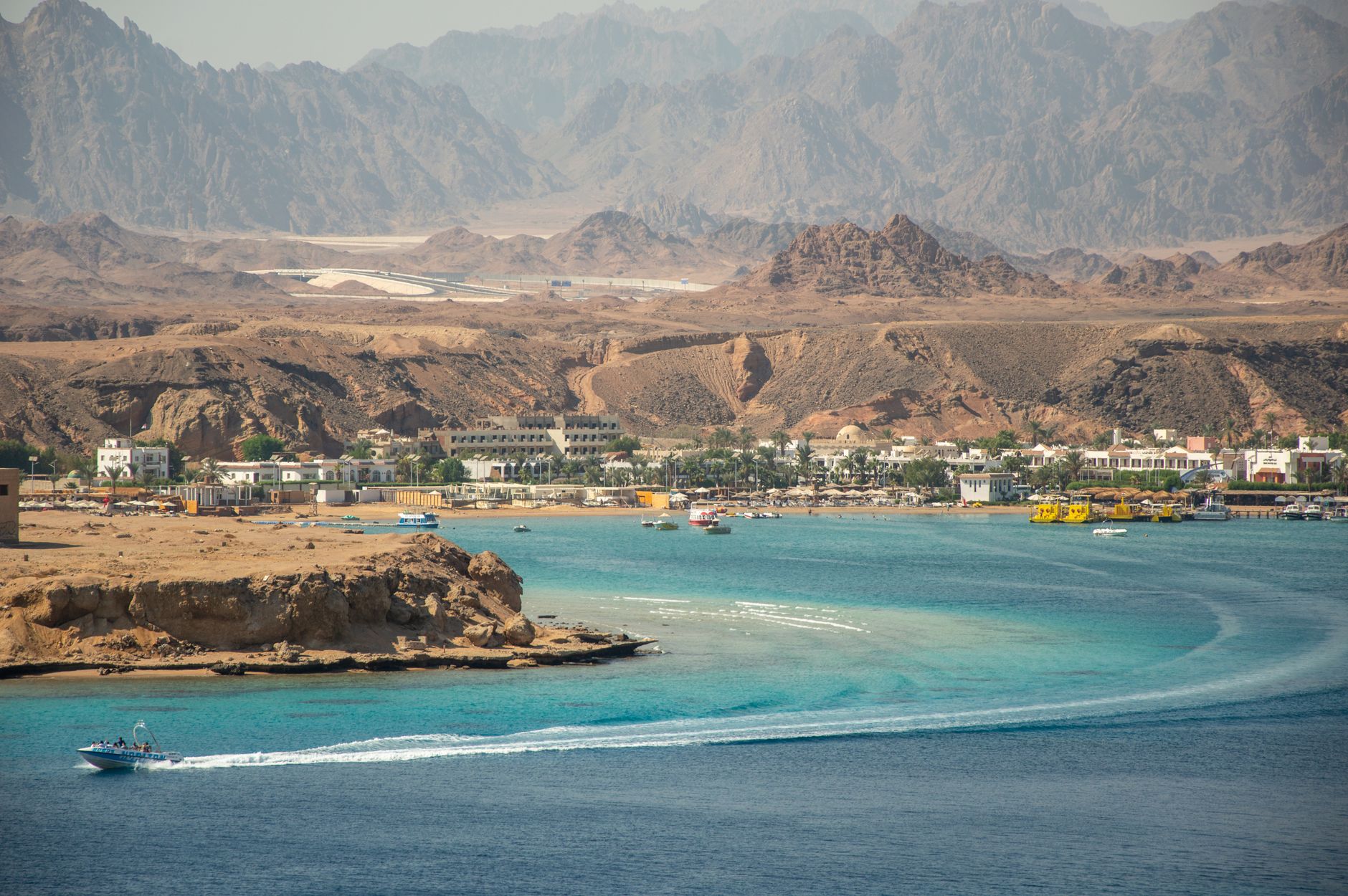
Not in the Nile, but the Red Sea coast works. Resorts like Hurghada see air temperatures around 20°C by day in winter and sea water in the low 20s, which is fresh but swimmable. Add a few beach days at the end if you want the warmth without the temples.
How many days do you need for Cairo, Luxor and Aswan?
Eight days is the minimum for a first trip without constant rushing. Ten days gives you a slow day in Luxor and time to recover from the early starts. Any shorter and you’ll spend most of it in transit.
Do I need a visa for Egypt?
Many nationalities can apply for an e-visa online or get one on arrival, but the rules depend on your passport. Check the official Egypt e-visa portal and your own government’s travel advice before you book.
Is December or January better for visiting Egypt?
Both have great weather. December has more of a festive buzz but the biggest crowds over the holidays. January after the first week is calmer, a little cooler at night, and easier for last-minute bookings.
One last thing: whatever else you plan, protect that first morning at Giza. Set the alarm, skip the hotel breakfast if you have to, and be there when the gates open. Standing in front of the pyramids in cool, quiet air, before the rest of the world wakes up, is the moment that makes the whole trip.
Some links in this post are affiliate links. If you book through them, we may earn a small commission at no extra cost to you.
Cover photo by Annie Spratt on Unsplash