It’s 8am on a platform in Interlaken. The air smells of coffee and cold stone, the mountains are still pink at the tips, and a red train slides in exactly on the minute. You’ve got twelve tabs open on your phone and one nagging question: is the Swiss Travel Pass worth it, or would plain tickets cost less?
Short answer: it depends on how much you move. Swiss trains are gorgeous and punctual, and they’re also some of the priciest in Europe. Pick the wrong ticket and you’re quietly paying for a nice fondue dinner every single day.
The good news is that the choice comes down to a few clear patterns. Here’s how to spot yours, and how to check the math before you pay a franc.
At a glance
- The pass wins when you change towns often, love museums, or plan to ride up Rigi, Stoos or Stanserhorn.
- The Half Fare Card wins when you stay in one or two bases and spend big on mountain railways.
- Single tickets win on short trips with a few long rides booked early at Supersaver prices.
- Kids aged 6 to 15 ride free with a parent on either option through the free Swiss Family Card. Under 6s always ride free.
- Time to decide: about ten minutes with the SBB app and your rough itinerary.
What the Swiss pass covers (and what it quietly doesn’t)
The Swiss Travel Pass is one ticket for trains, buses and boats across the country on your valid days. It also covers trams and city buses in more than 90 towns, so you can hop off in Lucerne and ride straight to your hotel without fumbling with a ticket machine.
Then come the extras that make people fall for it:
- Free entry to more than 500 museums, from castles to small-town art houses.
- Three mountains included: Rigi, Stanserhorn and Stoos.
- Up to 50% off many other mountain rides, like Pilatus, Titlis, Schilthorn and Gornergrat.
- Panoramic trains such as the Glacier Express and Bernina Express are covered, but seat reservations or supplements cost extra.
What it doesn’t do: it isn’t sold to people who live in Switzerland or Liechtenstein, and some themed sightseeing cruises on the lakes cost extra, while regular scheduled boats are included. The full list of perks sits on Switzerland Tourism’s Swiss Travel Pass page, so check it for current prices before you buy. Once your ticket’s sorted, our Switzerland tours and travel guides will help you fill the days.
If you’ve read our breakdown of how Japan’s rail pass stacks up against single tickets, the logic will feel familiar. A pass is a bet that you’ll ride a lot. Win the bet and it’s a bargain. Lose it and you’ve prepaid for trains you never boarded.
Three ways to pay for Swiss trains
The Swiss Travel Pass (and its Flex cousin)
You buy it for 3, 4, 6, 8 or 15 consecutive days. The Flex version lets you pick your travel days within a month, which suits slow trips with lazy lake days, but it costs more.
Here’s the part most people miss: the price per day drops hard on longer passes. The 15-day pass costs roughly double the 3-day one, for five times the days. Travelers under 25 get the Youth version at about 30% less.
The Swiss Half Fare Card
This card costs roughly CHF 150, lasts a whole month and halves the price of nearly everything: trains, buses, boats and most mountain railways. It also unlocks cheaper Supersaver tickets and Saver Day Passes. Details and current pricing are on the SBB Half Fare Card page.
One catch: inspectors want your original passport or ID card alongside it. A photo on your phone won’t do.
Single tickets, Supersaver tickets and Saver Day Passes
Standard point-to-point tickets are fully flexible and fully priced. Supersaver tickets can be up to 50% cheaper, but they’re tied to one specific train. You can book them up to six months ahead, and prices climb as seats sell.
Saver Day Passes give you a whole day of unlimited travel. They get pricier the closer you book, they can sell out, and they aren’t refundable. Seat reservations are never included with saver fares.
Nearly all of this lives in the SBB Mobile app, which means you’ll be buying tickets on the platform with the train rolling in. Sort out mobile data before you land so you’re not hunting for station Wi-Fi.
When the Swiss Travel Pass is worth it
Picture the classic loop: Zurich, Lucerne, Interlaken, Zermatt, Montreux, out via Geneva. New town every day or two, a boat across Lake Lucerne, a museum when it rains. That’s pass territory.
The Swiss Travel Pass is worth it when you tick two or more of these:
- You change base every 1–2 days and cover long distances in between.
- You’d ride Rigi, Stoos or Stanserhorn anyway. Those rides alone take a real bite out of the pass price.
- You love museums. Two or three entries a day adds up quickly in a country where a coffee isn’t cheap.
- You hate planning. No apps, no fares, no fixed trains. You just get on.
- You’re travelling with kids who ride free on the Family Card, so the adults’ passes cover more of the family’s trips.
- You’re under 25 and the Youth discount tips the math your way.
There’s also a softer benefit. On a pass, a sunny morning becomes a spontaneous boat ride with the engine humming and the Alps reflected in the water. Nobody checks prices first. That freedom is hard to price, and it’s often the real reason people come home happy.
When single tickets beat the pass
The pass loses when you don’t move much. If you fly into Zurich, spend four nights in Lucerne and two in Grindelwald, you’re paying for unlimited travel you’ll barely use.
Skip the pass if:
- You have one or two bases and mostly do day trips from them.
- Your trip is short and fixed, with a couple of long rides you can book early as Supersaver tickets.
- Your big spends are mountains where the pass and the Half Fare Card give the same 50% off.
- You’re staying longer than two weeks at a slow pace. A month of Half Fare Card often beats a 15-day pass.
Skip this: buying an 8-day pass for a week spent mostly hiking from one village. Do that: a Half Fare Card, one Saver Day Pass for your longest travel day, and half-price lifts every morning.
Mountains: where the math quietly flips
The mountains are where Switzerland gets expensive, and where the pass versus Half Fare question really gets decided.
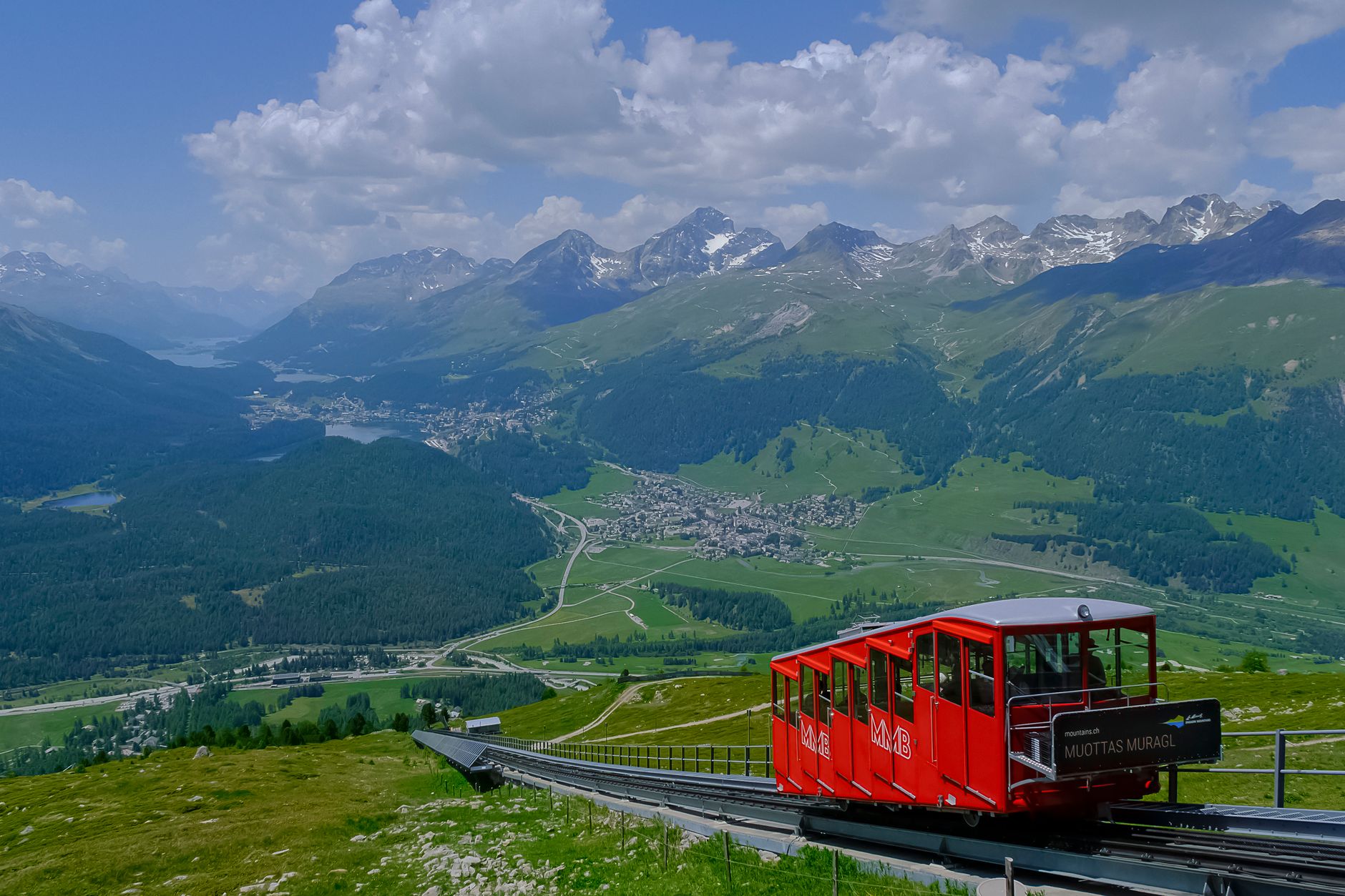
On Rigi, the pass is the clear winner. The cogwheel train clicks up through meadows full of cowbells, and your ride costs nothing extra. Same story on Stoos and Stanserhorn.
On Pilatus, Titlis, Schilthorn and Gornergrat, both the pass and the Half Fare Card generally give you around 50% off. So on these peaks the pass has no edge at all, and a trip built around them often tilts toward the cheaper card.
Jungfraujoch is the famous exception. The pass takes you free to Grindelwald or Wengen, then gives only a partial discount on the steep final climb to the glacier. Check the fare for your exact route under both options before you commit. If you’d rather not juggle three trains and a seat reservation, you can book a guided Jungfraujoch day trip and let someone else sort the connections.
Do the 10-minute math before you buy
Nobody needs a spreadsheet for this. A notes app and the SBB Mobile app are plenty.
- List every ride: each town-to-town leg, each mountain, each boat you’re fairly sure you’ll take.
- Look up the full fare for each one in the SBB app. Add them up.
- Half Fare total: the card price plus half of your list.
- Pass total: the pass price, plus the leftover half of any mountains it only discounts, minus museum entries you’d have paid for.
- Single tickets total: Supersaver prices for the long legs you can pin to one train.
- Compare. If the pass is within a small margin, take it. The freedom is worth the difference.
Most first-timers are surprised by the result. The pass often wins for fast, many-stop trips and loses for slow, one-base holidays, no matter how “all-inclusive” it sounds.
One base or five? How your route changes everything
The single biggest factor isn’t the pass. It’s how often you pack your bag.
Moving every day or two means long rides, and long rides are where full fares hurt. Staying put in one lakeside town or mountain village means short hops and mountain lifts, which is Half Fare country.
A good middle ground for many travelers: two bases, one on a lake and one in the mountains, with day trips from each. Spend your money on the room with the balcony instead of the train tickets. If you’re weighing an apartment against a hotel for that base, it’s worth reading what holiday rentals really cost once the fees land.
And if Switzerland is just one stop on a bigger rail trip, Italy is next door. Our guide to easy escapes from Rome by rail picks up nicely where the Alps leave off.
Questions travelers ask
Is the Swiss Travel Pass worth it for 3 days?
Only if those three days are busy. A short pass has the highest cost per day, so it pays off when you cover long distances, ride Rigi or visit several museums. For a relaxed 3-day stay in one city, single tickets or Supersaver fares usually cost less.
Can I use the Swiss Travel Pass on the Glacier Express?
Yes, the ride itself is covered. You still pay for the seat reservation, which is required on the panoramic trains. Book it early in the busy summer months.
Does the Half Fare Card work on mountain railways?
Yes. It gives reduced prices on many cable cars, cogwheel trains and mountain railways, often around half. That’s why it’s so strong for trips built around peaks rather than long transfers.
Do kids need their own ticket?
Children under 6 always ride free. Kids aged 6 to 15 ride free with a parent who holds a Swiss Travel Pass or Swiss Half Fare Card, as long as you add the free Swiss Family Card when you buy.
Do I need seat reservations on regular Swiss trains?
No. On regular trains you just step on and sit down. Reservations only matter on panoramic trains and a few mountain routes like the final climb to Jungfraujoch.
Whichever ticket you choose, choose it once and stop thinking about it. Then grab a window seat, keep that chocolate within reach, and let the most punctual trains on the planet do the worrying for you.
Some links in this post are affiliate links. If you book through them, we may earn a small commission at no extra cost to you.
Cover photo by Oleksandr Lutsenko on Pexels