You land in Faro, the air smells of sunscreen and hot tarmac, and the rental desk queue is twenty people deep. When you finally reach the counter, the agent slides a laminated sheet across: extra insurance, a toll device, a fuel package. You have about ninety seconds to decide. This is where renting a car in Portugal goes right or wrong, and it has nothing to do with the driving.
The roads themselves are a joy. Smooth motorways, empty back roads through cork forests, coastal lanes where the Atlantic flashes between pine trees. The traps are all on paper: electronic tolls with no booth to pay at, an excess that can run into four figures, and a deposit hold that sits on your card long after you fly home.
Sort those three things out first and the rest is pastries, viewpoints and deciding which beach to stop at.
Portugal by car at a glance
- Best for: the Algarve, the Alentejo, the Douro Valley, Madeira and anywhere rural.
- Skip it for: Lisbon and Porto city stays. Trams, metro and your own two feet win.
- Drive on: the right. Speed limits are generally 50 km/h in towns, 90 on other roads and 120 on motorways.
- Bring: a credit card in the main driver’s name, your licence, passport and a phone mount.
- Budget for: the rental, a toll device fee, tolls on the big motorways and fuel, which is pricey by European standards.
When a rental car is worth it (and when it’s dead weight)
A car turns the Algarve from one beach town into twenty. It gets you to Alentejo villages where the last bus left at lunchtime, and down to Douro wine estates perched above the river. If your trip is mostly countryside or coast, rent.
In Lisbon and Porto it’s the opposite. Streets are steep and narrow, parking is scarce and paid, and tram lanes are strictly off limits. The smart move is to explore the city on foot first and pick the car up on the day you leave. Planning the city part? Our Portugal tours and travel guides cover what’s worth seeing before you hit the road.
Islands are a different story again. On Madeira a car is the easiest way to reach trailheads, including the gentlest levada walks for first-timers. Just expect hairpin bends and hill starts that make your calves ache.
Portugal tolls, decoded (no booth, no problem)
Here’s what confuses nearly everyone: Portugal runs two toll systems side by side.
Classic toll plazas
The big motorways, such as the A1 between Lisbon and Porto and the A2 down to the Algarve, work the old way. You take a ticket or pass a gantry, then pay at a booth by card or cash. Easy.
Electronic-only gantries
Other stretches have no booths at all. Overhead gantries read your plate or transponder as you cruise underneath, and there’s nowhere to hand over money. Drive through without a way to pay and the bill (plus penalties and an admin fee from the rental company) can follow you home weeks later.
The good news: several motorways that used to be electronic-only are now free for cars, including the Algarve’s A22 (Via do Infante) and interior routes like the A23, A24 and A25. Older blog posts and forum threads still warn you about A22 tolls, so don’t let them spook you. Toll rules can change, so check the official Portugal Tolls portal before a long drive.
The easy fix: take the transponder
Most rental cars in Portugal come with a Via Verde transponder on the windscreen, or offer one at the desk for a small daily fee that’s usually capped per rental. Tolls are charged to your card after the rental ends. Accept it, ask the agent to confirm the daily cap, and every toll lane becomes a green-light drive-through.
Insurance for renting a car in Portugal: what you’re actually buying
Basic rental prices include third-party liability, which is compulsory. Most also include collision damage cover, but with an excess: the amount you pay if the car is damaged, which can easily run into four figures.
At the desk, you’ll be offered a “super” or zero-excess cover that brings that figure down to nothing or close to it. It’s convenient and the priciest way to do it. The alternatives:
- Zero-excess cover at booking: added online when you reserve, often cheaper than the counter version.
- Standalone excess insurance: bought separately. You pay for damage first, then claim it back, and the desk will still block a full deposit on your card.
- Credit card cover: some premium cards include it. Read the fine print for Portugal, SUVs and longer rentals.
Whatever you choose, check whether glass, tyres and the underside are covered. Those are the usual exclusions, and gravel roads to Alentejo beaches are hard on all three. The same excess logic applies across Europe; we unpack it in detail in our guide to car rental insurance in Iceland.
Driving into Spain? Tell them first
Seville is a tempting detour from the Algarve, and the border is just a sign on the motorway. The rental contract is less relaxed. Most companies charge a cross-border fee, and crossing without permission can void your insurance. Declare Spain when you book, get it in writing, and expect a one-way drop-off in Spain to cost a lot more than a round trip.
The mistakes that cost travelers the most
- Turning up with a debit card. Many desks want a credit card in the main driver’s name for the deposit. No card, no car, or a pricey insurance package as the only way out.
- Skipping the walk-around. Film the car slowly before you drive off: every panel, the wheels, the windscreen, the fuel gauge. Do it again when you return.
- Picking the wrong fuel policy. Full-to-full is the fair one. Pre-paid tanks rarely work in your favor unless you’re driving a lot.
- Parking in Lisbon’s old quarters. Blue lines mean paid parking, and tram lanes are enforced. Park at your hotel or a garage and walk.
- Holding your phone at a red light. Hands-free only, and police do fine tourists for it.
- That one glass of wine at lunch. The limit is 0.5 g/l, and only 0.2 g/l if you’ve had your licence less than three years. On a Douro wine day, book a tasting tour or pick a designated driver.
Speed cameras are common on motorways and on the Algarve’s N125, so let the locals overtake and enjoy the view. For a similar rundown in southern Italy, see what to know before driving in Sicily.
Your phone is your co-pilot
You’ll lean on your phone for directions, parking apps and finding that seafood place with the grilled sardines the locals queue for. Download offline maps for each region in case the signal drops in the hills, and flip on “avoid tolls” when you’re in no hurry: the national roads are slower but far prettier.
A travel eSIM keeps your maps working from the moment you land, without roaming surprises.
Picking up and returning the car without drama
- Book ahead online, especially for summer and automatics.
- At the desk, confirm the excess, deposit, transponder cap and fuel policy before you sign.
- Check the warning triangle and reflective vest are in the car, and keep the vest within reach, not under the suitcases.
- Film the car inside and out, including the mileage and fuel level.
- On return, fill up nearby, keep the receipt and get a staff member to sign off the car if you can.
Questions travelers ask
Do I need an International Driving Permit to rent a car in Portugal?
EU and EEA licences are fine, and many other licences are accepted for short visits. Some rental desks still ask for an International Driving Permit, so check your rental terms and your own government’s travel advice before you go.
Are there tolls in the Algarve?
The A22 across the Algarve is now toll-free for cars. The A2 motorway that links the Algarve with Lisbon still charges tolls, paid at booths or through your transponder.
Is driving in Portugal difficult?
Motorways and main roads are in good shape and well signed. The challenges are narrow old-town streets, steep hills and fast local drivers, so a small car makes life easier.
Can I take a rental car from Portugal to Spain?
Usually yes, with permission and a cross-border fee. Declare it at booking, because crossing without approval can leave you uninsured.
One last thing before you go: plan at least one day with no motorway at all. Follow the coast road, stop wherever the café tables spill onto the square, and order a galão and a pastel de nata. That’s the Portugal the car was for. For more ideas on where to point the bonnet, browse Visit Portugal.
Some links in this post are affiliate links. If you book through them, we may earn a small commission at no extra cost to you.
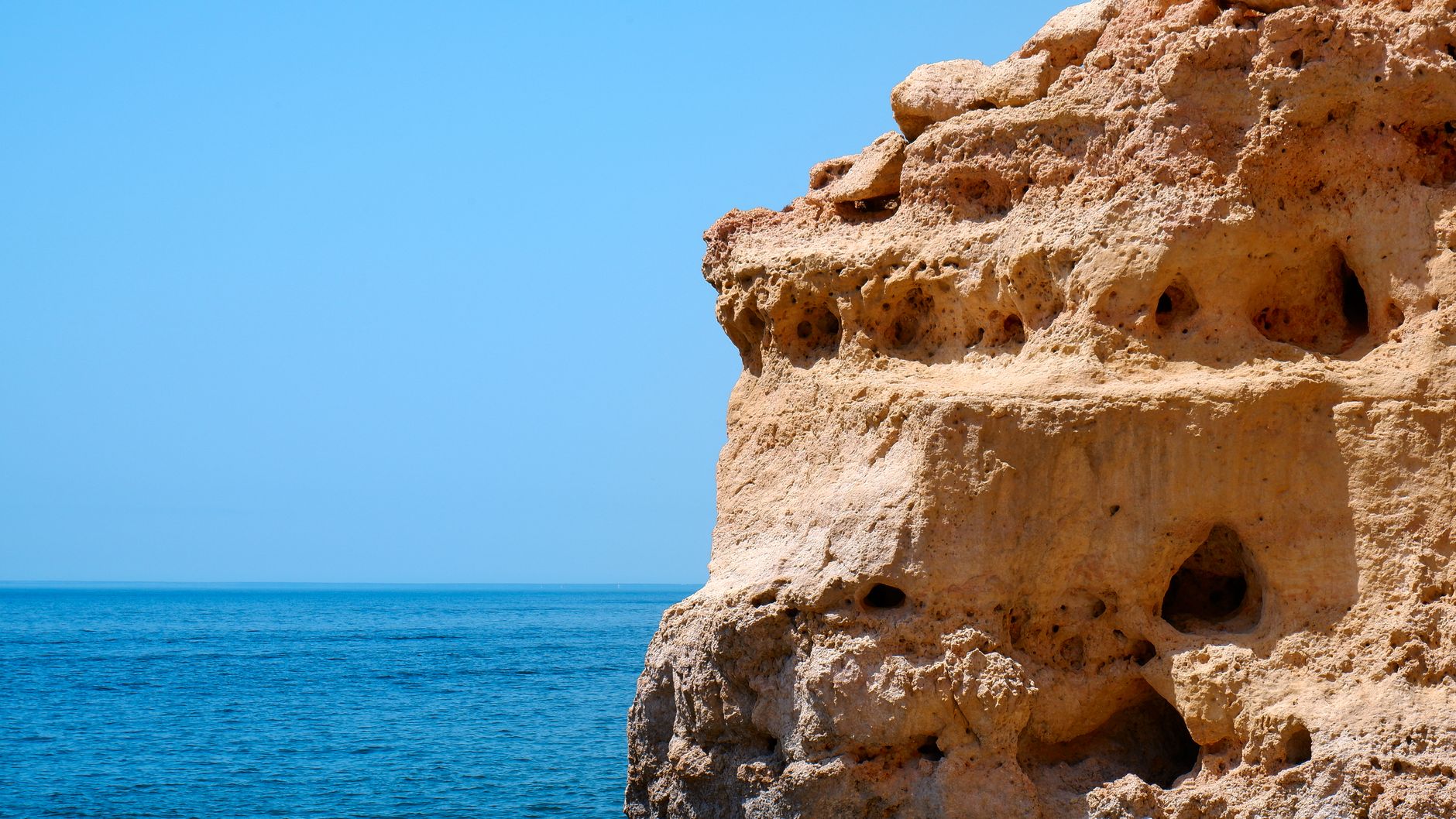
Cover photo by Matheus De Moraes Gugelmim on Pexels